Global exhibitions in 2025 are pushing boundaries not just of scale and technology, but of compassion, inclusion, and human dignity. Global Exhibitions 2025 finds a particularly resonant manifestation in Adapt/Evolve, a multidisciplinary exhibition at the Fashion Institute of Technology’s Art & Design Gallery in New York City. Open from September 18 to October 26, 2025, Adapt/Evolve delves deeply into adaptive and inclusive design, exploring how empathy can guide the creation of spaces, objects, and interfaces that serve everyone.
In its essence, Adapt/Evolve is not only a collection of design artifacts — it is a manifesto for a design future anchored in accessibility, interdependence, and dignity. Over 60 works by FIT faculty, alumni, students, and invited designers are on display, spanning fashion, interior design, jewelry, toy design, graphic design, and footwear/ accessories. Each piece interrogates the tension between utility and aesthetics, between assistive function and artistic expression.
The exhibition casts a wide net over adaptive design, from stylish mobility aids and haptic navigation devices to sensory toys and inclusive furniture systems. One standout example: Wayband®, a wearable wristband that uses haptic feedback to guide users with limited vision through environments. Another is the Slick Chicks clothing line by FIT alumna Helya Mohammadian, incorporating side fasteners and smart closure mechanisms to allow dressing without bending or twisting. Adapt/Evolve also includes projects from Adaptive Design Association, which collaborates closely with clients and therapists to co-design mobility, play, and communication objects.
A notable feature of the exhibition is its symposium (October 16, 2025), which invites scholars, designers, and community members to present, debate, and reflect on the questions of adaptive design: What is the line between assistive and oppressive? How do designers center dignity, autonomy, and joy? Among speakers is Grace Jun, founding member of Open Style Lab, whose research bridges fashion, disability, and co-design.
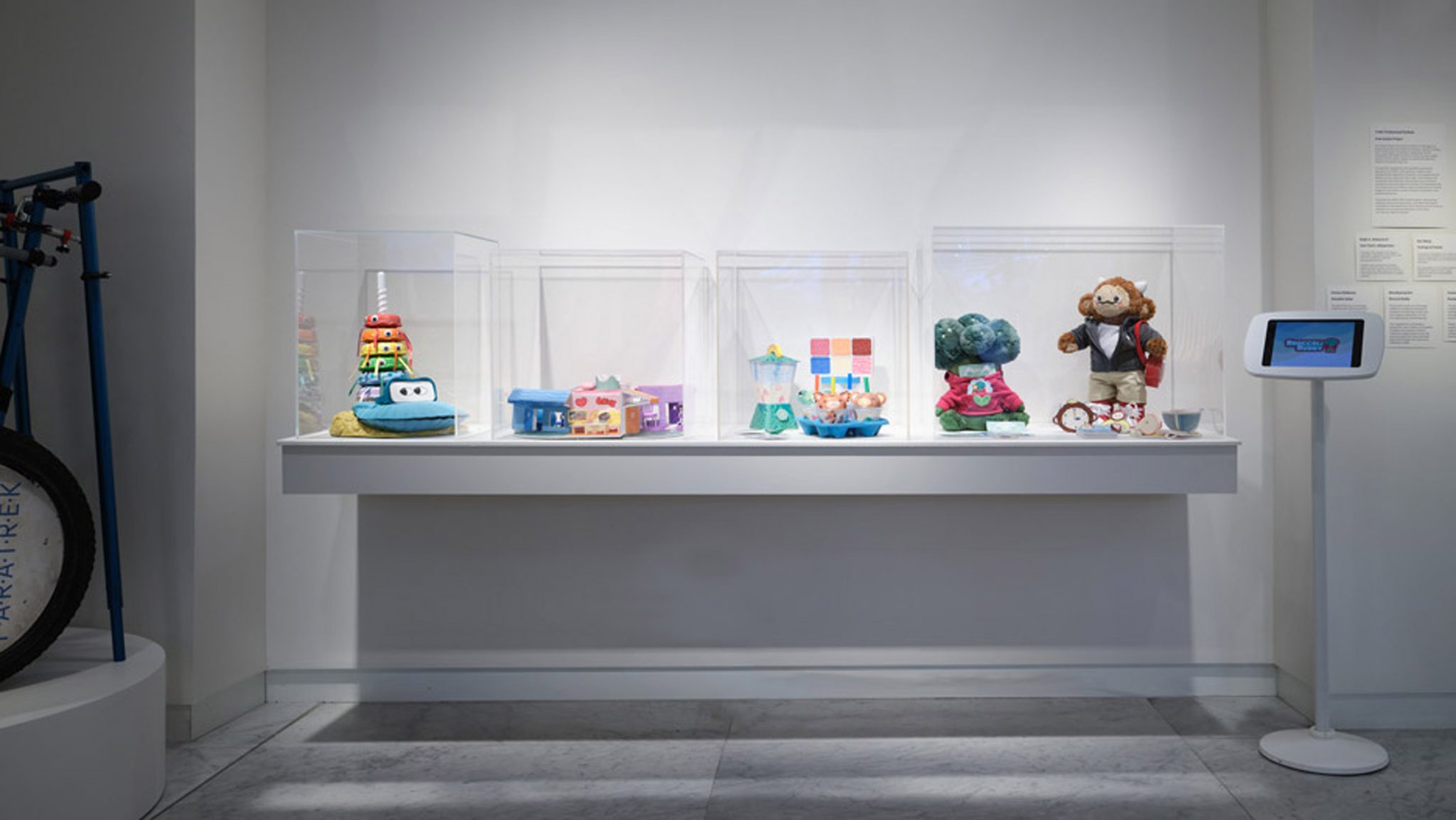
But Adapt/Evolve is not merely an academic exercise — it is visceral. Visitors encounter garments, furniture, toys, and devices that respond to human difference. The Toy Design section, for instance, emerged from a studio called the Autism Research Project, where students collaborated to create sensory toys that support both communication and play for children on the autism spectrum. Interior and spatial design pieces in the show reimagine furniture and room layouts so they are more universally usable — whether for mobility devices, visual impairment, or sensory sensitivities.
FIT intentionally frames this as a cross-disciplinary conversation. Projects draw from fashion, furniture, graphic communication, and more. The curators note that good design must begin with an awareness of interdependence, of the networks of care that underpin social life. In this vision, Global Exhibitions 2025 are not just showplaces — they are agents of change, modeling new norms for the built environment.
One surprising but powerful example: a project that creates virtual reality avatars capable of representing diverse bodies, including those with limb differences or mobility aids. Such avatars help designers better anticipate how clothing or furniture will work for a broader spectrum of users. The exhibition also includes furniture by OFS designed for both clinical and everyday settings, bridging medical necessity with aesthetic value.
What Adapt/Evolve underscores is that accessibility is not a niche — it is a creative frontier. The ideal is not reducing the difference, but rethinking design so that difference is anticipated, respected, and celebrated. In the era of Global Exhibitions 2025, shows like this remind us that exhibitions can shape values, not just display objects.
As visitors walk through the galleries, they see not only what is possible, but what is essential: a world in which good design is also accessible design, and empathy is central to form. Adapt/Evolve offers a template for exhibitions to not just reflect our world, but to help build a better one.