The reality is far more nuanced than a simple decline. Exhibitions are not disappearing; they are undergoing a profound transformation. What appears to be a slowdown is, in fact, a shift—a transition from outdated formats to more intelligent, outcome-driven ecosystems. The exhibitions that are struggling today are often those that have remained unchanged in a rapidly evolving business environment. Static booths, passive participation, generic visitor engagement, and lack of measurable outcomes are no longer sufficient. In an age where time is scarce and attention is fragmented, businesses and attendees alike expect far more value from every interaction.
Modern exhibition visitors are fundamentally different from those of a decade ago. They arrive informed, with clear objectives, and little patience for inefficiency. They are not there to browse— they are there to solve problems, discover innovations, and make decisions. This shift in behavior has forced exhibitions to rethink their purpose. The industry is moving away from being a display platform toward becoming a business acceleration platform, where every interaction is intentional and measurable.
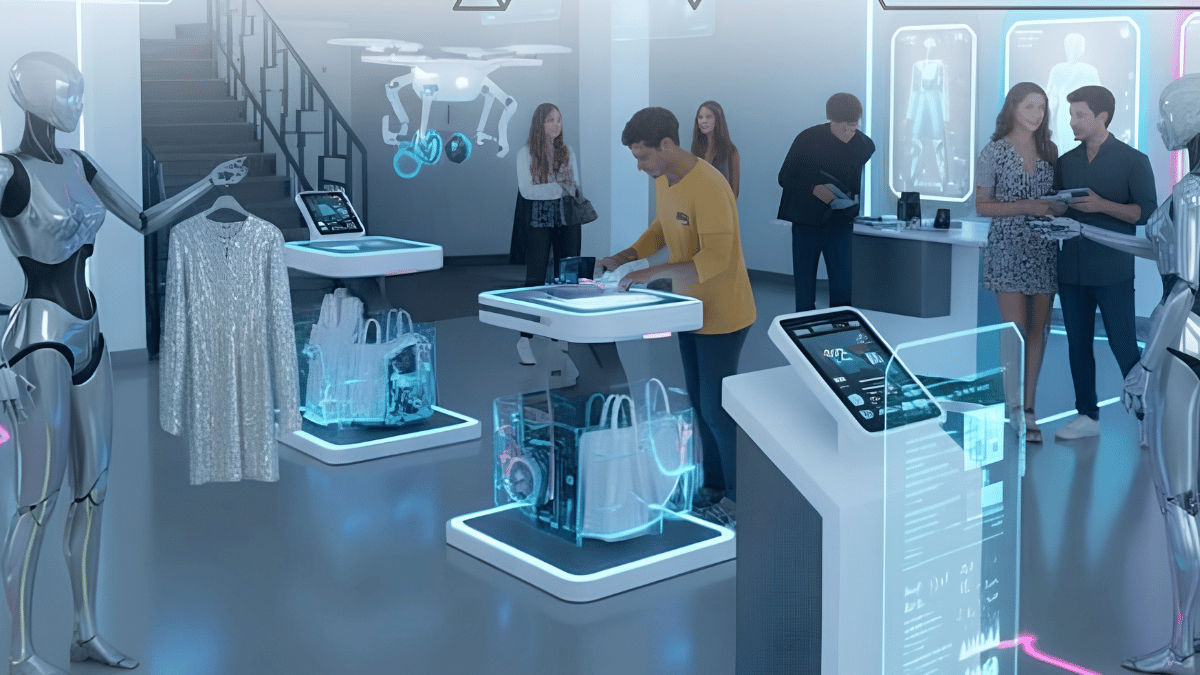
At the same time, technology has acted as both a disruptor and an enabler. Digital platforms, virtual events, and online marketplaces have challenged the exclusivity of physical exhibitions. However, instead of replacing them, these innovations have pushed the industry to evolve. Hybrid formats, AI-driven matchmaking, data analytics, and personalized visitor journeys are now redefining how exhibitions are experienced. The most successful events are no longer those with the highest footfall, but those that facilitate the most meaningful connections.
This evolution has also changed how success is measured. Earlier, large visitor numbers were considered the ultimate benchmark. Today, the focus has shifted toward the quality of engagement. A smaller event with highly targeted decision-makers can generate far greater business value than a large exhibition with unfocused traffic. This transition from quantity to quality is one of the most significant changes shaping the industry in 2026.
Globally, this transformation is uneven. Mature markets are reinventing themselves through innovation, while emerging markets such as India, the UAE, and Southeast Asia are driving fresh growth. New exhibitions are being designed with a clear emphasis on experience, technology integration, and measurable outcomes. This has created a dual reality— while some traditional exhibitions are fading, new-age exhibitions are thriving.
India, in particular, offers a compelling example of this shift. While certain legacy events struggle to maintain relevance, others are expanding rapidly, attracting international participation and delivering strong business outcomes. The difference lies not in the market, but in the mindset. Events that embrace change are succeeding; those that resist it are being left behind.
Looking ahead, the future of exhibitions will not be defined by their size, but by their intelligence. The industry is moving toward more personalized, data-driven, and experiencecentric formats. Visitors will expect curated journeys, exhibitors will demand measurable ROI, and organizers will rely increasingly on technology to deliver value. Exhibitions may become more focused and selective, but their impact will be significantly deeper.
So, are exhibitions dying? The answer is both simple and revealing. Weak exhibitions are fading, but strong ones are evolving into something far more powerful. This is not the end of the industry—it is a reinvention. The exhibition of the future will not be a place where businesses simply show up; it will be a platform where they grow, connect, and compete at a global level.