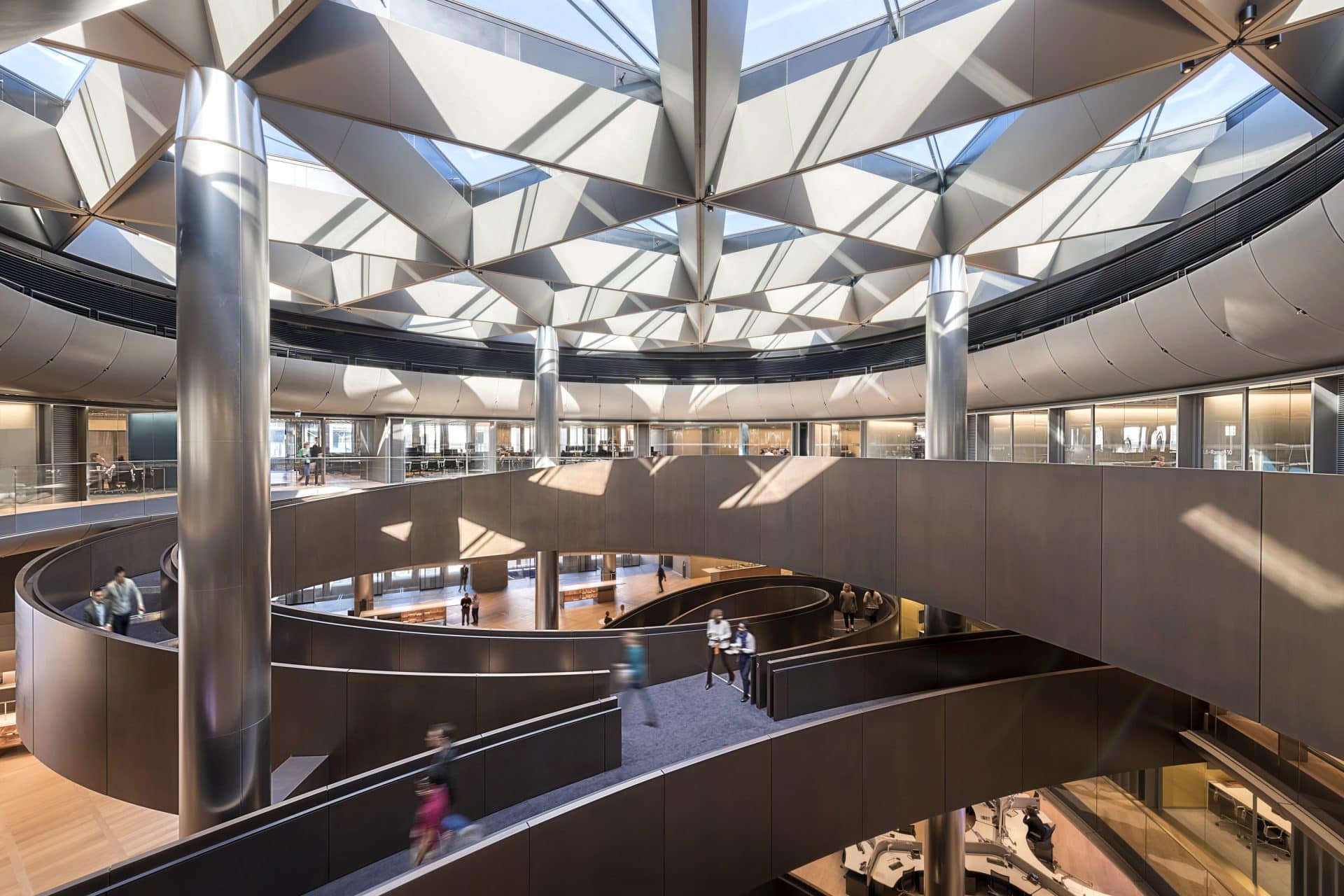
The Civic Vision exhibition Sydney sets the tone for a deep dive into how architecture can shape cities and society. Hosted by Foster + Partners at their new Sydney studio location, the show anchors design, infrastructure and urbanism together in one immersive experience.
The exhibition context
Opened on 25 October 2025 and running through 21 December 2025, the Civic Vision exhibition Sydney takes place at Parkline Place (Level 2, 252 Pitt Street, Sydney). Entry is free and the show is organised around three thematic pillars: Community + Culture, Living + Working, and Planning + Mobility.
By locating the exhibition within Parkline Place – one of Foster + Partners’ newest projects in Australia – the firm underscores its commitment to the very context being examined: how built-form, urban infrastructure and civic life intersect.
Three core themes explained
Community + Culture
In this zone, the exhibition highlights how architecture supports social life, cultural institutions and the public realm. Projects such as the Great Court at the British Museum and the House of Wisdom, Sharjah are used to illustrate how building design moves beyond functional shelter to public experience.
Living + Working
This section examines how architecture shapes everyday life: offices, homes, mixed-use towers. Featured works include the iconic 30 St Mary Axe in London (commonly “The Gherkin”) and the local Sydney project Deutsche Bank Place. The exhibition explores how design supports human-centred environments, flexibility, and sustainability.
Planning + Mobility
Here the focus broadens to cities at scale, transport infrastructure, placemaking and urban renewal. Projects like the Hong Kong International Airport and the Sydney Metro stations appear. The message: architecture and urban design must integrate mobility, public realm and ecological resilience.
Why the exhibition is important for the exhibition & events industry
From an exhibitions perspective (which aligns with the EG-industry focus), Civic Vision exhibition Sydney offers several insights:
- It demonstrates how an architecture firm uses the exhibition format itself to communicate narrative and brand: not just showing drawings, but curating a story of city-making, which is relevant for organisers of design/architecture-oriented events.
- It underscores the role of experiential display: models, interactive media, thematic zones — relevant for exhibitors planning large-scale trade shows, museum-type installations, or hybrid formats.
- It bridges global and local: by including projects worldwide and locating the show in Sydney, it exemplifies how an exhibition can connect local audiences to global expertise — useful for event strategists aiming for international relevance.
- It signals the growing intersection of built environment, sustainability and mobility within the exhibition ecosystem — meaning that future trade fairs in real-estate, infrastructure, smart cities may draw inspiration from this narrative.
Key take-aways for visitors and industry professionals
- Visit early in the run if possible: the show opens at Parkline Place in late October and runs through December, giving ample time but early days often offer less crowding.
- Explore each theme with intention: rather than rushing, allow time for the Living + Working and Planning + Mobility zones — they reflect how venues, buildings and cities themselves can be “exhibitionised”.
- Consider the lessons for India and Asia: While this show is in Sydney, the themes of civic infrastructure, mobility hubs, high-density towers and mixed-use real-estate are highly relevant in Indian metros. Event planners, exhibition designers and real-estate exhibitors in India can draw parallels.
- Use the exhibition as inspiration for storytelling in events: The firm curates its portfolio thematically, which is a useful model for trade-show organisers when designing pavilions, zones or visitor journeys.
Broader relevance and future implications
The Civic Vision exhibition Sydney is not just a retrospective celebration; it’s a forward-looking platform. It suggests that architecture and urban design will increasingly be framed via exhibitions, communication and public engagement. For the events industry, this means: one, exhibitions will increasingly be narrative-driven and theme-rich; two, the boundaries between architecture, real-estate, infrastructure and exhibitions are blurring; and three, sustainability, mobility and civic space are becoming central event themes.
In a world where cities are being re-imagined in response to climate change, shifting mobility, technology and human behaviour, an exhibition like Civic Vision offers a template: use immersive design, global-local linkage, thematic zoning, and story-driven display. Event professionals and exhibition-industry stakeholders should note how this is done and consider how to apply similar methodologies in trade shows, expos or public exhibitions in their home markets.