Why emotional engagement, storytelling, and experience-driven metrics are redefining success in the exhibition industry.
Introduction — Beyond the Headcount
For decades, the success of an exhibition was judged by one metric — numbers.
How many people visited. How many leads were captured. How many deals were signed.
But as the world of exhibitions evolves into the Experience Economy, those metrics are no longer enough.
In 2025, a crowded booth doesn’t guarantee success — but a connected audience does.
Organizers and exhibitors are now asking deeper questions:
- How engaged were the visitors?
- Did they connect emotionally with the brand?
- Will they remember this experience tomorrow?
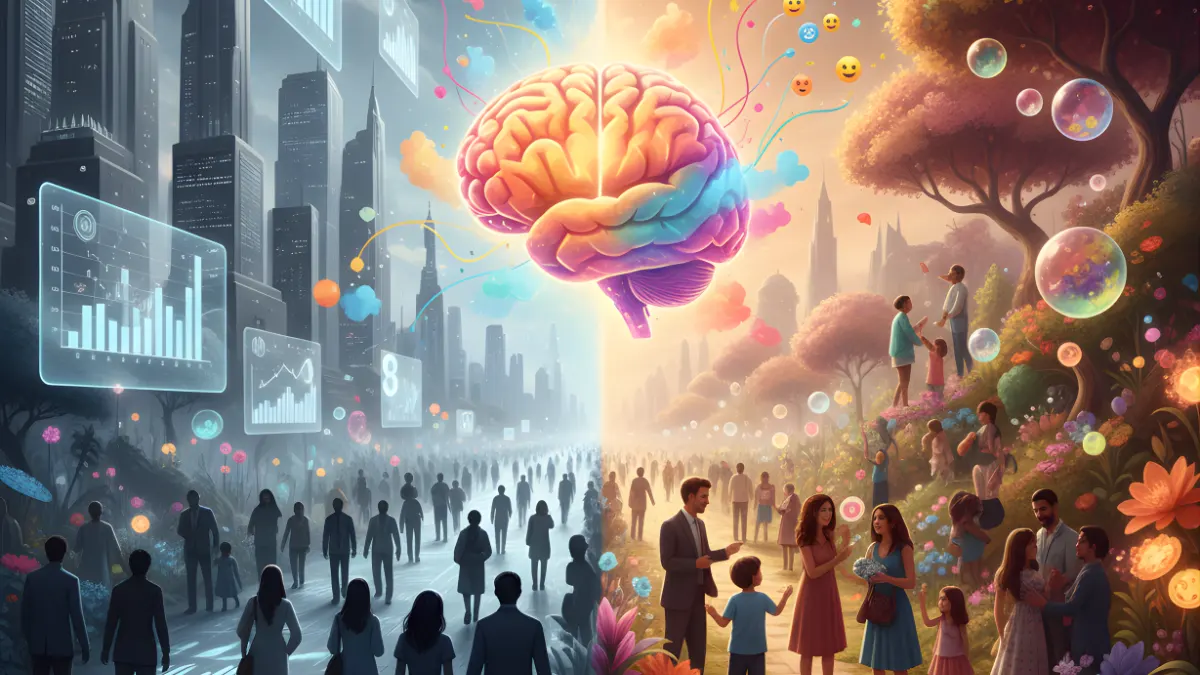
Welcome to the new era of exhibition measurement — one that moves from footfall to feelings, from transactions to transformations.
“In the new exhibition landscape, the quality of connection is more powerful than the quantity of visitors.”
Visual Caption:
A busy booth glowing under warm lighting — but the focus is on a single meaningful conversation between an exhibitor and a visitor.
The Old Metrics — Why Numbers No Longer Tell the Whole Story
For years, success reports looked the same — visitor counts, booth space sold, lead sheets collected.But modern marketing psychology shows that engagement depth far outweighs engagement volume.
The Limitation of Traditional Metrics:
- Footfall: Tells how many entered, not how long they stayed or what they felt.
- Leads Captured: Doesn’t reflect genuine interest or post-show conversions.
- Sales Closed: Can take months or years to materialize — not ideal for event ROI.
In contrast, experience metrics reveal the emotional and behavioral value of participation:
- How long did visitors stay?
- How did they emotionally react to content?
- Did they share the experience online?
These insights form the backbone of new-age exhibition intelligence.
“We’ve moved from headcounts to heartcounts.”
The Rise of Emotional ROI (Return on Interaction)
Today, exhibitions are becoming experience ecosystems — a blend of sensory storytelling, interaction, and digital engagement.Organizers now track ROE — Return on Emotion and ROI — Return on Interaction alongside traditional sales data.
How Emotional ROI Is Measured:
1️⃣ Dwell Time: How long a visitor engages with a booth or zone.
2️⃣ Engagement Rate: Interactions per visitor — conversations, scans, demos.
3️⃣ Social Amplification: How often visitors post, tag, or mention the booth online.
4️⃣ Emotional Sentiment: AI-based analysis of facial expressions, tone, or feedback.
5️⃣ Memory Recall: Post-show surveys that measure what attendees remembered most.
Example:
At GITEX Global Dubai 2024, an AI-driven analytics platform tracked visitor emotion in real time using heatmaps and facial sentiment data. Booths with higher “emotional resonance scores” achieved 43% more qualified leads than those relying on static displays.
Visual Suggestion:
Side-by-side images of two booths — one crowded but disengaged, another smaller but deeply interactive, showing smiling visitors and shared moments.
Data Meets Design — When Technology Measures Emotion
AI and analytics tools are now bridging the emotional gap with precision:
- Heat Mapping Cameras: Track crowd flow, engagement zones, and visitor dwell time.
- Emotion Recognition Software: Detects smiles, surprise, focus, or disinterest through facial cues.
- Smart Badges / RFID: Record where visitors spend the most time, helping exhibitors map interest patterns.
- Post-Event Dashboards: Combine analytics from physical and digital touchpoints to quantify experience quality.
These systems don’t just measure — they teach exhibitors how to improve design, storytelling, and human engagement.
The Human Side of Metrics
While data offers precision, it’s still the human connection that defines success.
Exhibitors are training teams to become experience creators, not salespeople.
Instead of scripts, they use storytelling.
Instead of pitches, they start conversations.
Case Example:
At India Design Week 2025, an interior design brand replaced brochures with “emotion cards” — visitors were invited to describe how the booth’s ambiance made them feel. The result? Over 600 responses full of words like warm, inspired, calm, and creative — insights that became part of the brand’s next design strategy.
Visual Caption:
A smiling brand representative handing an “emotion card” to a visitor amid an artful booth space.
Social Impact & Shared Experience — The Ripple Effect
Modern exhibitions extend far beyond the venue walls.The true measure of success now lies in how far an experience travels — through conversations, social posts, and community buzz.
- Exhibitors track hashtags, mentions, and engagement spikes across platforms.
- Organizers monitor post-event sentiment using social listening tools.
- Visitors become brand ambassadors, sharing content that multiplies reach organically.
When emotion turns into advocacy, ROI transforms into Return on Belief.
“The most successful exhibitions are the ones people keep talking about long after they end.”
📸 Visual Suggestion:
A digital collage showing posts, selfies, and shared moments from visitors under a common event hashtag.
Emotional Intelligence — The New Exhibition Superpower
Forward-looking organizers are building emotion-mapping frameworks into planning stages:
- Curating floor journeys that build anticipation and comfort.
- Designing rest zones that encourage reflection, not rush.
- Training staff in empathy and cultural awareness.
In an increasingly automated world, emotional intelligence is the one skill machines can’t replicate.
“Technology measures emotion; people create it.”
The Future of Measurement — Heartbeats Over Headcounts
By 2030, exhibition success will be defined by impact, not influx.
The industry will adopt hybrid metrics — blending digital precision with human emotion.
Imagine dashboards that track smiles per hour, content recall rates, and audience sentiment heatmaps.
The exhibitors who master emotional design will not just fill booths — they will fill hearts.
Because in the exhibitions of tomorrow, success won’t be about how many came — but how many connected.