
The global exhibition industry is entering a new phase in 2026. After years of disruption, the focus has shifted from recovery to sustainable growth, audience quality, technological innovation, and measurable business outcomes. Trade shows and business exhibitions continue to connect manufacturers, suppliers, buyers, investors, and industry professionals, creating opportunities for networking, product discovery, and international business expansion. However, expectations are changing. Businesses now want more than crowded exhibition halls and high visitor numbers.
The future of global exhibitions will depend on the quality of business opportunities they create rather than attendance figures alone.
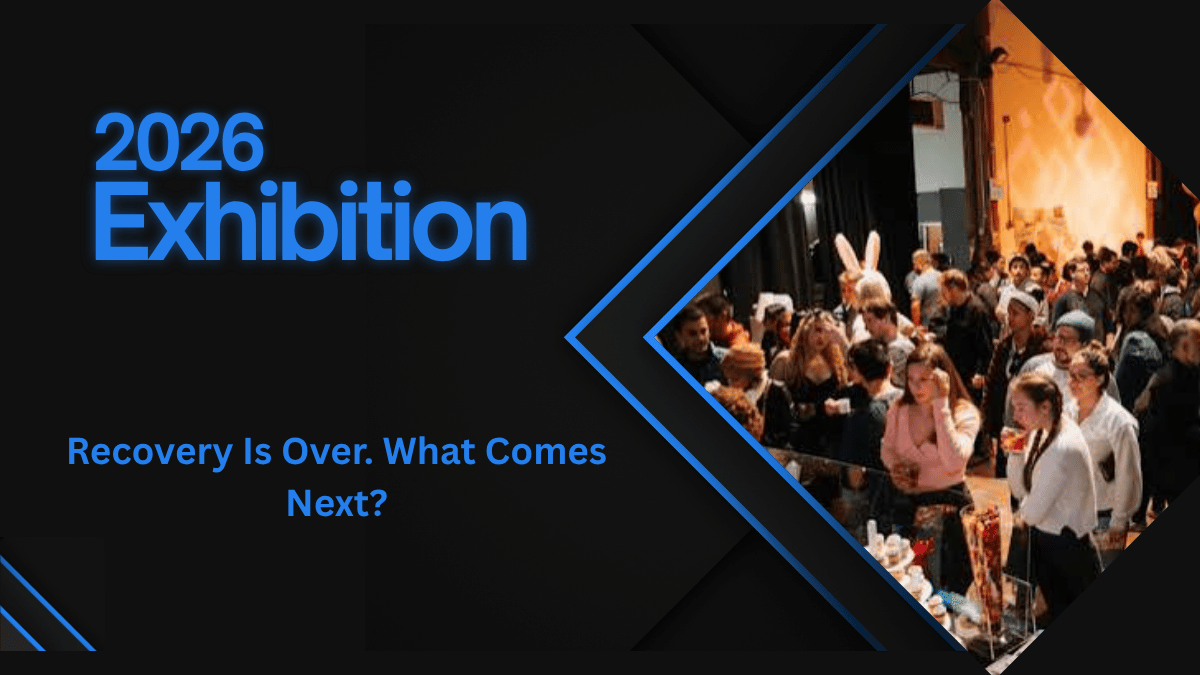
Recovery Is Over: What Comes Next?
The post-pandemic recovery phase helped exhibitions return to physical venues and restore face-to-face business interactions. Organisers rebuilt event calendars, exhibitors re-established market connections, and visitors returned to industry gatherings. In 2026, however, simply returning to previous attendance levels is no longer enough.
Exhibition organisers must concentrate on attracting relevant audiences, improving business matchmaking, strengthening digital engagement, and demonstrating the commercial value of participation. Exhibitors increasingly expect events to generate opportunities that extend beyond the exhibition floor.
The industry is therefore moving towards a performance-driven approach in which organisers evaluate qualified buyer participation, business meetings, sales opportunities, exhibitor satisfaction, repeat bookings, and post-event engagement. These factors provide a clearer understanding of whether an exhibition is delivering meaningful results.
What the Numbers Are Telling the Exhibition Industry
Industry performance indicators help explain how exhibitions are recovering and where new opportunities may emerge. The accompanying infographic references the Center for Exhibition Industry Research (CEIR) and the US business-to-business exhibition market, highlighting indicators related to industry performance, professional attendance, and revenue recovery.
The figures presented in the graphic include approximately 2.1% growth for the 2025 CEIR Index, 93.6 index points, 4.7% professional attendance growth, and a revenue gap exceeding 10% compared with pre-pandemic levels. These figures should be interpreted according to their specific reporting periods, benchmarks, and definitions rather than treated as universal indicators of the entire global exhibition market.
The broader message is that attendance, revenue, and profitability do not always recover at the same pace. An exhibition may attract more visitors while still facing higher operating costs, changing exhibitor budgets, and pressure on profit margins. Organisers must therefore evaluate performance through reliable data and focus on creating sustainable business value.
The New Meaning of Growth in 2026
Growth in the exhibition industry is becoming more sophisticated. Organisers must consider not only how many people attend an event but also how relevant those people are to exhibitors’ commercial objectives. A specialised trade show with a smaller audience of qualified buyers may deliver greater value than a large event attracting visitors with limited purchasing authority.
Audience quality is becoming central to exhibition planning. Organisers are investing in targeted visitor acquisition, industry partnerships, personalised invitations, and data-driven marketing to attract procurement managers, distributors, business owners, technical specialists, and senior decision-makers. By understanding visitor requirements, organisers can create more relevant experiences for exhibitors and attendees.
Business matchmaking is another important element of exhibition growth. Pre-scheduled meetings, hosted-buyer programmes, digital exhibitor directories, and dedicated networking sessions can help participants identify potential customers and partners more efficiently. These initiatives allow exhibitions to become more than product showcases; they become platforms for meaningful commercial relationships.
Revenue quality is equally important. Venue expenses, logistics, marketing, staffing, technology, and booth construction can influence profitability. Organisers are exploring sponsorship opportunities, premium networking experiences, digital visibility packages, and specialised conference programmes to diversify revenue while maintaining a valuable experience for participants.
How Technology Is Transforming Global Exhibitions
Technology is becoming an essential part of exhibition management, marketing, and visitor engagement. Digital tools enable organisers to understand audience behaviour, improve communication, and deliver more personalised experiences throughout the event lifecycle.
Artificial intelligence and data analytics can support visitor segmentation, lead scoring, personalised recommendations, and marketing automation. Organisers can use these insights to identify which campaigns attract relevant visitors and which exhibitor categories generate the strongest interest. Responsible data management and transparency remain essential to building trust.
Digital lead-generation tools are also changing how exhibitors measure success. Lead capture systems allow exhibitors to record visitor information, document discussions, and organise follow-up activities. When integrated with customer relationship management systems, these tools help sales teams respond to enquiries more efficiently and maintain communication after the event.
Hybrid and digital engagement can extend an exhibition’s reach beyond its physical venue. Online exhibitor profiles, webinars, virtual meetings, product presentations, and event applications help businesses connect with audiences who cannot attend in person. Rather than replacing face-to-face exhibitions, digital platforms can strengthen participation before, during, and after the event.
The Exhibitor Experience Is Becoming More Important
Exhibitors invest in booth space, travel, marketing, staff, product demonstrations, and customer meetings. They increasingly expect organisers to help them maximise the value of these investments through relevant visitor access, efficient logistics, clear communication, and effective networking opportunities.
Providing audience insights, pre-event promotional opportunities, transparent participation costs, and post-event performance reports can improve exhibitor satisfaction. When businesses understand the value they receive, they are better positioned to evaluate participation and consider returning for future editions.
Exhibitor retention depends on more than attractive floor space. It requires trust, service quality, reliable event management, and demonstrable business value. Organisers who consistently understand and respond to exhibitor expectations can strengthen long-term relationships and build more sustainable events.
International Participation: Opportunities and Challenges
International exhibitions offer businesses opportunities to explore new markets, meet overseas distributors, identify suppliers, and establish cross-border partnerships. For manufacturers, startups, and growing enterprises, participating in an international trade show can provide valuable exposure to potential customers and partners.
However, international participation also introduces challenges involving travel expenses, visa requirements, shipping arrangements, customs procedures, language barriers, and changing trade conditions. These factors can influence participation decisions, particularly for smaller businesses entering unfamiliar markets.
Organisers can encourage international participation by providing clear exhibitor guidance, multilingual communication, international visitor programmes, digital meeting options, and support for overseas delegations. Partnerships with trade associations, export promotion bodies, chambers of commerce, and international industry networks can also help attract relevant participants.
By reducing participation barriers and facilitating meaningful business connections, international exhibitions can strengthen their position as platforms for trade, collaboration, and market expansion.
Sustainability and Responsible Event Management
Sustainability is becoming an important consideration for exhibition organisers, venues, exhibitors, and visitors. Large exhibitions can involve substantial material consumption, transportation, energy use, printed marketing, and temporary booth construction. Responsible planning can reduce waste while improving operational efficiency.
Reusable booth structures, digital event materials, energy-efficient lighting, responsible waste management, and sustainable transport options can contribute to more environmentally responsible events. Exhibitors can also adopt modular booth designs, reusable displays, and locally sourced materials to reduce unnecessary costs and waste.
Sustainability initiatives should be supported by measurable targets and transparent reporting. Practical improvements are more meaningful than environmental claims that cannot be demonstrated. As expectations evolve, responsible event management can become an important part of an exhibition’s long-term value proposition.
The Role of Exhibition Venues in Future Growth
Exhibition venues are more than spaces for displaying products. Their infrastructure, accessibility, technology, and operational services influence the overall event experience. Modern venues must accommodate changing exhibition formats, conference sessions, networking areas, product demonstrations, and digital integration.
Reliable internet connectivity, efficient loading facilities, flexible floor plans, visitor amenities, and convenient transportation access can improve the experience for exhibitors and attendees. Collaboration between venue operators, event organisers, technology providers, and service companies will become increasingly important as the industry adopts new formats and expectations.
Emerging exhibition destinations can also benefit from investments in infrastructure, regional industry clusters, and business development. Well-equipped venues can attract national and international events, support local businesses, and strengthen a destination’s position in the exhibition market.
Preparing for the Future of Global Exhibitions
Exhibition organisers must adopt a strategic approach that connects event planning with clear business objectives. Understanding visitor requirements, researching industry trends, and identifying the right audience segments can help create more relevant exhibitions. Search engine optimisation, targeted advertising, email marketing, social media, and online event listings can improve discoverability and attract prospective participants.
Performance measurement must also extend beyond total attendance. Qualified leads, exhibitor satisfaction, meeting outcomes, repeat bookings, revenue performance, and post-event engagement provide a more comprehensive picture of event success. Regular feedback from exhibitors, visitors, sponsors, and industry partners can help organisers identify problems and improve future editions.
Long-term success will depend on combining effective marketing with strong operational delivery. Organisers who invest in audience research, digital tools, exhibitor relationships, and measurable performance indicators will be better positioned to adapt to changing market expectations.
What Comes Next for Global Exhibitions?
The future of exhibitions will depend on how effectively the industry responds to changing business needs. Physical events will continue to offer opportunities for face-to-face discussions, product demonstrations, relationship building, and commercial negotiations. Digital tools can strengthen these benefits by improving discovery, personalisation, lead management, and post-event communication.
At the same time, organisers must address operating costs, sustainability, international participation, and growing demand for measurable results. Events that combine relevant audiences, strong exhibitor support, reliable technology, and clear business objectives can differentiate themselves through industry expertise and meaningful connections.
The most successful exhibitions will not necessarily be the largest. They will be the events that understand their audiences, deliver consistent value, and create opportunities that continue long after the exhibition closes.
Conclusion
Global exhibitions in 2026 are moving beyond the recovery phase towards a more performance-driven model of growth. Attendance remains important, but audience quality, business outcomes, exhibitor satisfaction, technological innovation, and sustainability are becoming equally significant.
For organisers, the opportunity is to create events that deliver lasting value before, during, and after the exhibition. For exhibitors, success depends on participating strategically, connecting with relevant buyers, and measuring results. For visitors, the expectation is a more productive and relevant experience.
The next chapter of the global exhibition industry will not be defined by how many people enter an exhibition hall, but by the quality of connections and opportunities they take away. Organisations that prioritise measurable value, innovation, and long-term relationships will be better positioned to succeed in the evolving global exhibition market.