2. CASHLESS ECOSYSTEMS CREATE SPEED, SAFETY & SPENDING POWER
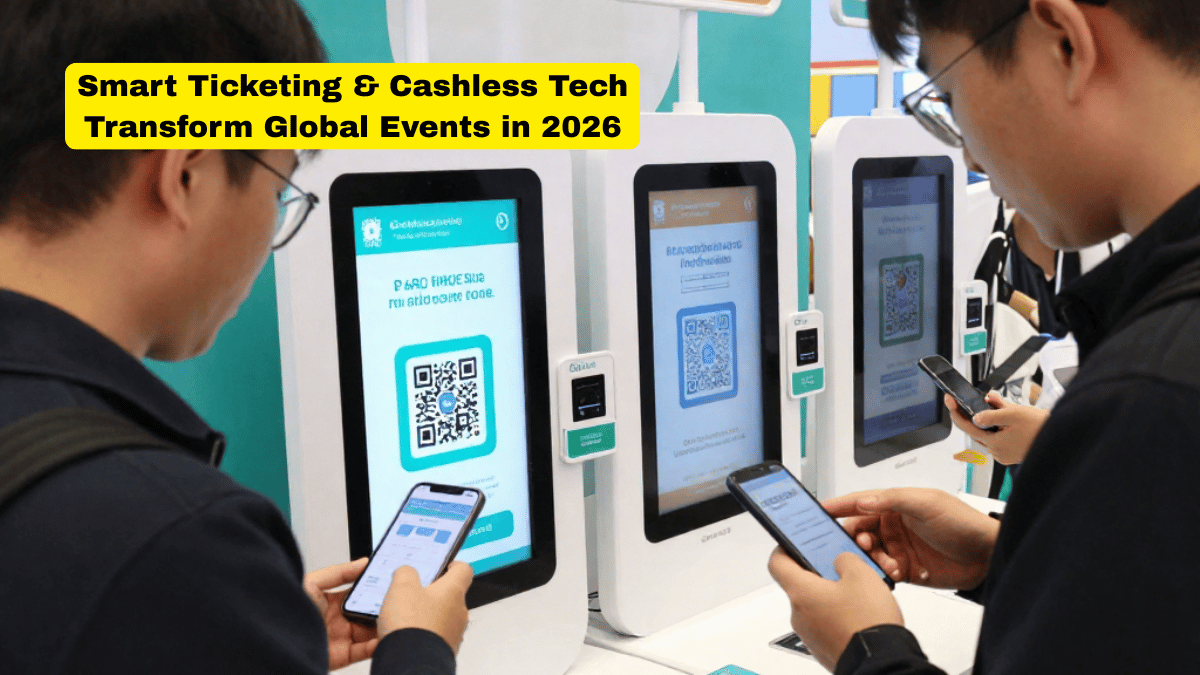
Exhibitions are adopting cashless payments at an unprecedented speed. Food courts, merchandising zones, exhibitor sampling booths, and service stations now operate with tap-to-pay terminals, UPI systems (in India), Apple Pay, Google Pay, NFC cards, and QR payment options. This reduces transaction delays, prevents accounting errors, and enhances hygiene by eliminating physical currency exchange. Exhibitors also benefit from digitised payment records, which allow them to track sales performance and visitor purchasing patterns. Organisers reported that cashless exhibitions see 15–25% higher visitor spend, simply because transactions become frictionless. In 2026, cashless ecosystems will be mandatory for major global exhibitions, turning the event hall into a smooth, digital marketplace.
3. QR-POWERED BOOTHS: THE FASTEST WAY TO CAPTURE LEADS & SHARE INFORMATION
QR codes have become one of the most powerful tools inside exhibition halls. Exhibitors now use QR codes for:
- Digital brochures
- Product videos
- Instant catalogue downloads
- Pricing sheets
- Technical specifications
- Lead capture
- Demo bookings
- Product comparison charts
Visitors scan QR codes to access content instantly, eliminating the need to carry printed materials. Exhibitors benefit from instant lead logging, data analytics, and post-event retargeting. Many exhibitors use dynamic QR codes that update content in real-time, allowing them to personalize information based on visitor profiles. Exhibitions using QR-powered booths saw 35–50% higher lead capture efficiency compared to manual systems. In 2026, QR-led engagement will be the standard for all serious exhibitors.
4. AI-ENABLED DIGITAL NAVIGATION IS CHANGING HOW VISITORS MOVE INSIDE HALLS
Exhibitions are becoming too large and complex for conventional signage. Visitors often struggle to find specific booths, sessions, or pavilions. AI-powered navigation apps solve this by providing indoor GPS pathways, personalised recommendations, real-time booth updates, and interest-based alerts. These systems analyse visitor behaviour, suggest relevant exhibitors, and track session popularity. In venues such as Dubai World Trade Centre, Singapore EXPO, and Messe Frankfurt, digital navigation has improved visitor satisfaction scores by 30–40%. In 2026, every major exhibition will deploy navigationintegrated mobile apps, making visitor flow smoother and more purposeful.
5. DIGITAL BUSINESS CARDS & LEAD CAPTURE SYSTEMS ARE ENDING PAPER-BASED NETWORKING
Paper business cards are rapidly disappearing. Exhibitors and visitors now exchange details via digital business cards embedded within QR codes, event apps, NFC taps, or AI-based profiling systems. These interactions automatically sync with CRM platforms, classify lead categories, and tag interests for follow-up. Exhibitors no longer rely on stacks of cards or handwritten notes; instead, they receive actionable digital data. Organisers reported that digital lead capture improves post-event follow-up by nearly 50%, drastically increasing conversion rates. Digital networking is becoming the cornerstone of modern B2B engagement.
6. VIRTUAL QUEUING SYSTEMS OPTIMISE TIME & REDUCE CROWDING
In large exhibitions, product demos, experience zones, and meeting cabins often experience heavy demand. Virtual queue systems allow visitors to book a time slot digitally, receive notifications, and avoid long physical lines. This increases booth efficiency, improves visitor experience, and prevents overcrowding. Exhibitors can also predict visitor flow and prepare their teams accordingly. In 2026, virtual queuing will be crucial for high-traffic pavilions, especially in tech, automotive, beauty, and F&B shows.
7. ORGANISERS ARE USING DIGITAL CONTROL ROOMS TO MANAGE ENTIRE EVENTS
Behind the scenes, exhibitions are being managed through sophisticated digital command centres. Organisers track:
- Entry patterns
- Session attendance
- Hall temperatures
- Emergency triggers
- Crowd movement
- Exhibitor performance
- Buyer activity
- Social media sentiment
This intelligence allows organisers to make realtime decisions, improve layout planning, deploy staff efficiently, and enhance safety. Digital control rooms have become essential for mega exhibitions with daily footfall exceeding 50,000+ visitors.
8. THE RISE OF DIGITAL BROCHURES IS SAVING COSTS & PROTECTING THE ENVIRONMENT
Global exhibitors are shifting away from printed brochures due to rising sustainability expectations and printing costs. Digital brochures accessible via QR codes or mobile apps reduce waste drastically and save thousands of dollars per exhibitor. In European and UAE-based exhibitions, over 60% of exhibitors have already transitioned to digital information formats. This trend is expected to become a global standard by 2026.
9. POST-EVENT DIGITAL ANALYTICS ARE BECOMING THE TRUE MEASURE OF SUCCESS
In the past, exhibitors relied on gut feeling to measure exhibition success. Now, organisers provide digital analytics reports covering data such as:
- Visitor demographics
- Booth engagement duration
- QR scan data
- Heatmaps
- Meeting conversions
- App activity
- Buyer-seller match effectiveness
These insights give exhibitors precise clarity on ROI. Organisers who provide analytics enjoy higher exhibitor retention, because data proves value.
CONCLUSION: DIGITAL INTEGRATION WILL DEFINE THE WINNERS OF 2026
Smart ticketing, cashless systems, QR-powered booths, and AI-driven digital infrastructure are no longer supplementary—they are the foundation of the modern exhibition ecosystem. Exhibitions that embrace digital transformation will attract global exhibitors, retain high-value buyers, and deliver superior commercial performance. Those that remain outdated risk losing relevance in a world where speed, intelligence, and seamless user experiences are the new standard. As 2026 unfolds, the global exhibition industry will be defined by one principle: the more digital the experience, the more powerful the business outcome.