Accessibility and inclusivity are becoming essential elements of successful events, rather than optional considerations added at the final planning stage. As audiences become more diverse, event organisers, venues and agencies are recognising that creating accessible experiences is not only the right thing to do but also a smart business decision.
Events that are designed for everyone can reach wider audiences, encourage greater participation and create environments where attendees feel comfortable, valued and engaged. For event management companies such as Story Events, accessibility and inclusivity are integrated into the planning process from the beginning, covering everything from venue selection and registration to production, staffing and on-site delivery.
Accessibility Should Be Built Into Event Planning
Accessibility should not be treated as an afterthought, a budget item that can be removed when costs increase or simply a compliance requirement. Instead, inclusive event planning should begin during the initial conversation between an event organiser and the client.
For Story Events, accessibility considerations are incorporated throughout the event planning journey. As an end-to-end events management agency, the company manages different stages of an event, from developing the initial concept to delivering the experience on-site.
This approach allows accessibility requirements to influence important decisions at an early stage. Venue accessibility, registration systems, production design, staffing, audience requirements and delegate support can all be considered before the event takes place.
Accessible Registration Helps Organisers Prepare
One of the simplest ways to improve accessibility at events is to understand attendee requirements before they arrive.
At Story Events’ flagship tradeshows, registration forms include accessibility requirements as a standard part of the process. This gives visitors the opportunity to communicate specific needs in advance.
Early information allows organisers to make appropriate arrangements rather than attempting to resolve accessibility challenges on the day of the event. Whether attendees require mobility assistance, hearing support or other accommodations, advance planning can make the experience significantly smoother.
Making Event Stages More Accessible
Event stages can sometimes create unnecessary barriers for speakers and visitors with mobility requirements. Story Events has addressed this challenge by introducing a stage lift to ensure its seminar programmes are accessible to speakers and guests.
The decision also reflects a wider change in event production thinking. Instead of automatically designing raised stages and then finding ways to make them accessible, organisers can consider accessibility as part of the initial stage design.
Live captioning has also become an integral part of the company’s seminar programmes. Captioning can help attendees who are deaf or hard of hearing while also benefiting people who prefer to read information alongside presentations and discussions.
Inclusive Innovation Goes Beyond Physical Accessibility
Accessibility at events is not limited to ramps, lifts, accessible entrances or hearing loops. Increasingly, event organisers are also considering sensory needs, wellbeing and the different ways people experience busy event environments.
Large exhibitions and conferences can be stimulating, noisy and crowded. For some attendees, having a quieter environment where they can take a break can make a significant difference to their overall experience.
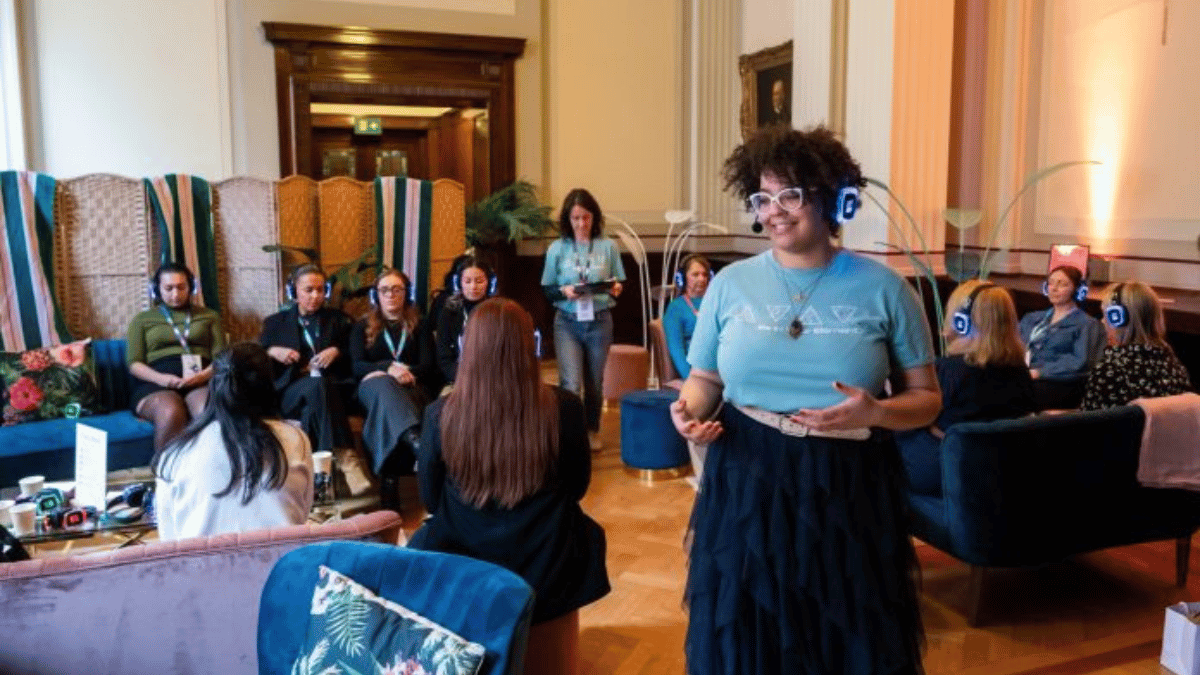
This growing focus on attendee wellbeing has encouraged demand for adapted breakout and relaxation spaces. Story Events responded to this trend through its Wellness Lounge concept, designed to provide attendees with a calm space away from the noise and activity of the main event floor.
The Wellness Lounge incorporates features such as massage, relaxing music, meditation sessions, soothing scents and colouring activities. The concept demonstrates how inclusive event design can extend beyond traditional accessibility measures and focus on creating comfortable experiences for different types of attendees.
Understanding Different Audience Requirements
Every event audience is different, and organisers need to understand the specific requirements of the people attending.
Story Events also works with a long-standing memorial event client whose audience includes a significant number of older attendees. This requires a different approach to event planning, with additional consideration given to mobility, transportation and communication needs.
Services and arrangements can include door-to-door transport logistics, wheelchairs and hearing loops. Event staff are also briefed so they understand how to support attendees effectively.
This type of audience-focused planning highlights an important principle of inclusive events: there is no single solution that works for everyone. Accessibility strategies should reflect the audience, venue and purpose of each individual event.
Making Unusual and Heritage Venues Accessible
Unique venues can add character and memorable experiences to events, but heritage buildings and unusual spaces can also present accessibility challenges.
Story Events’ experience across London and other locations enables the agency to work with venues where accessibility may require additional planning and expertise. Heritage buildings, in particular, may have architectural limitations that make conventional accessibility solutions more complicated.
Rather than automatically excluding such venues, experienced event professionals can assess the challenges and identify practical ways to improve access while maintaining the character of the location.
This is particularly important as clients increasingly seek distinctive venues that can provide memorable event experiences without compromising accessibility.
Accessibility Creates Better Event Experiences
Inclusive event planning benefits more than attendees with specific accessibility requirements. Features such as clear information, live captioning, comfortable breakout areas, accessible stages and well-trained staff can improve the overall event experience.
When attendees feel comfortable and supported, they are more likely to participate in sessions, network with other visitors and spend more time at an event.
For organisers, this can translate into stronger attendee engagement, improved satisfaction and greater opportunities to build long-term relationships with audiences and clients.
The Business Case for Inclusive Events
There is also a strong commercial case for making events more accessible. Businesses and event organisers want to reach the largest possible audience while delivering experiences that encourage participation.
An event that excludes people because of avoidable accessibility barriers limits its potential audience. By contrast, inclusive events can open the door to wider participation and demonstrate that the organiser understands the needs of its community.
Inclusivity can therefore be viewed as an investment in the attendee experience rather than simply an additional cost.
Training Event Teams Is Essential
Accessible event design is only effective when the people delivering the event understand how to support attendees.
Staff and event teams can play a critical role in creating an inclusive environment. From registration desks and venue teams to production staff and event managers, everyone involved should understand accessibility arrangements and know how to respond appropriately to attendee requirements.
Briefing teams before an event can help ensure that accessibility measures are implemented consistently throughout the visitor journey.
Accessibility Should Be Part of the Event Strategy
The evolution of accessibility in the events industry reflects a broader shift towards experience-led event management. Attendees increasingly expect events to be welcoming, comfortable and designed around their needs.
For event agencies and organisers, this means accessibility should be considered from the earliest stages of planning rather than added immediately before an event opens.
From accessible registration and stage lifts to live captioning, wellness spaces, hearing loops, transport assistance and trained staff, small and large measures can collectively transform the attendee experience.
The Future of Inclusive Events
The events industry is continuing to move towards more inclusive and accessible experiences. As organisers gain a better understanding of different attendee needs, accessibility is likely to become an increasingly important part of event design, venue selection and production.
The experience of Story Events demonstrates that inclusive event planning can involve both practical accessibility solutions and innovative approaches to wellbeing. Whether delivering a major tradeshow, a corporate event or an event in an unusual heritage venue, the objective remains the same: enabling every attendee to participate fully and enjoy a high-quality experience.
Ultimately, accessibility and inclusivity should not be viewed as additional features of an event. They are fundamental elements of modern event design. By building inclusion into every stage of the planning process, organisers can create events that are more welcoming, engaging and valuable for everyone.