The Exhibitor Advocate Releases Critical 2025 Industry Benchmark Report
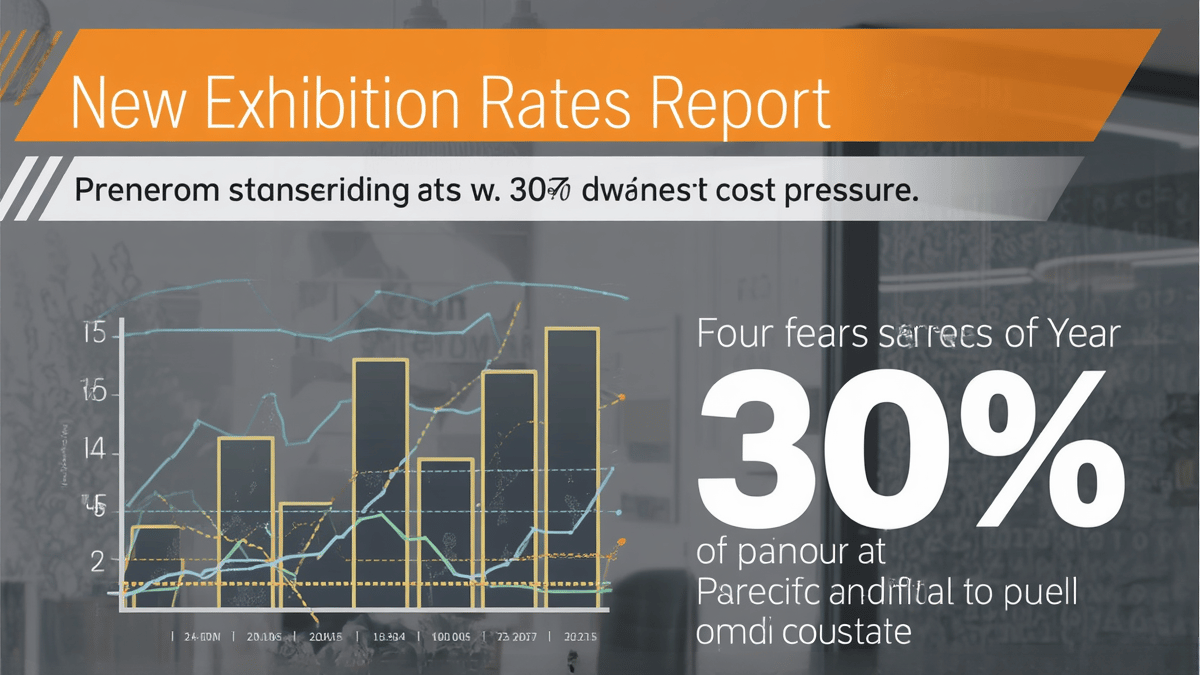
The Exhibitor Advocate has officially released the 2025 Annual Survey of Exhibition Rates, providing one of the most comprehensive independent analyses of trade show exhibiting costs across the United States. Produced in collaboration with Tradeshow Logic and independently audited by EVOLIO Marketing, the report offers exhibitors and organizers a detailed overview of rising exhibition expenses. This year’s edition analyzed 224 publicly available exhibitor manuals and pricing forms across 23 major U.S. cities. For the first time, the report also tracks exhibition cost movement over four consecutive years. The findings clearly show that exhibitors are facing sustained pricing pressure that continues to reshape event participation decisions across the industry.
Exhibition Costs Continue to Outpace Inflation
The report reveals that exhibition-related costs have increased significantly faster than national inflation since 2022. Material handling base rates alone have climbed 21.3 percent over the four-year period, while electrical overtime labor has surged by 41.2 percent. Booth flooring components have also seen sharp increases, with some materials rising by as much as 33.3 percent. These increases create compounded cost pressure for exhibitors that maintain the same booth sizes and event schedules year after year. Even modest exhibit programs are becoming more expensive to execute. As inflation continues to affect event operations, exhibitors are being forced to rethink budgets, spending priorities, and event participation strategies to protect return on investment.
2025 Data Highlights Sharp Category Increases
The latest survey data shows substantial cost increases across several key exhibition service categories in 2025. Electrical outlet rates rose 18.4 percent, making it one of the largest category jumps recorded since the survey began. Electrical straight-time labor increased by 6.4 percent, while overtime labor rose 12.5 percent this year alone. Material handling base rates climbed another 9.5 percent, reaching an average of $2.28 per pound, more than three times the national inflation rate of 2.7 percent. Flooring costs also accelerated sharply, with carpet pricing rising 12.7 percent, rebond padding increasing 21 percent, and visqueen floor covering climbing 22.1 percent. These growing expenses are placing greater pressure on exhibitors planning larger booth footprints.
Geographic Cost Differences Are Becoming More Significant
One of the report’s most striking findings is the widening cost difference between exhibition destinations. According to the basket-of-goods analysis, exhibiting in New York now costs approximately 75 percent more than exhibiting in Atlanta for similar booth services and requirements. This marks the largest cost spread recorded since the survey launched in 2022. Such dramatic pricing differences are influencing how exhibitors choose event locations and how organizers evaluate future host cities. Budget-conscious exhibitors are increasingly factoring destination-based service costs into participation decisions. These regional disparities are expected to play a larger role in shaping event strategy as exhibition expenses continue to rise.
Hanging Sign Rates Offer a Rare Cost Relief
Despite widespread increases across nearly all categories, the report identified one notable exception. Hanging sign and lift rates declined by 15.3 percent on average, representing the largest category decrease recorded in the survey’s history. Researchers attribute this reduction to pricing model changes in several major exhibition markets, where suppliers have shifted away from blended service structures. While this decline offers some financial relief for exhibitors using suspended branding and signage, it remains one of the few positive cost developments. Unfortunately, the savings are not enough to offset broader pricing increases across labor, utilities, and material handling. Most exhibitors will still face significantly higher overall event costs.
Exhibitors Are Rethinking Participation Strategies
Rising costs are not driving exhibitors away entirely, but they are changing how businesses approach event participation. Companion research from The Exhibitor Advocate and EVOLIO Marketing found that 80 percent of exhibitors now cite cost management as their biggest challenge. Additionally, 55 percent say higher costs outweigh event value at certain shows. In response, 64 percent are reducing their event footprint, while 55 percent are limiting onsite staff attendance. Another 52 percent are reevaluating event budgets, and 45 percent are scaling back sponsorship investments. These shifts indicate that exhibitors are becoming more selective and ROI-focused when deciding where and how to participate.
Alternative Engagement Models Are Gaining Popularity
The report also highlights a growing preference for alternative business engagement strategies outside traditional exhibition formats. Around 43 percent of exhibitors now prefer hosting offsite activities instead of exhibiting at some events. Additionally, 66 percent believe scheduled in-person meetings deliver stronger business outcomes for certain objectives compared to traditional trade show participation. This figure has risen sharply from 44 percent the previous year, signaling a significant shift in exhibitor behavior. Companies are increasingly prioritizing targeted interactions that offer measurable results. This trend may force event organizers to rethink exhibitor value propositions and create stronger opportunities for qualified buyer engagement.
Data Transparency Will Shape the Future of Exhibitions
Industry leaders agree that transparency and collaboration are essential to maintaining exhibitor trust. Jessica Sibila, Executive Director of The Exhibitor Advocate, emphasized that four consecutive years of rising costs should serve as a wake-up call for organizers, venues, and suppliers. Access to reliable benchmarking data allows exhibitors to compare invoices, forecast expenses, and negotiate from a position of knowledge. For show organizers, the report provides critical leverage to negotiate fairer service rates and improve exhibitor retention. As trade show economics continue evolving, data-driven decision-making will become essential for sustaining exhibitor confidence and long-term event success.