Rising Challenges Reshape the iGaming Landscape
The global iGaming industry is entering a new era of complexity as tighter compliance regulations, stricter advertising platform policies, and escalating traffic acquisition costs force operators to rethink traditional marketing strategies.
For years, the formula for growth was straightforward-partner with influencers, launch aggressive promotional campaigns, offer lucrative bonus codes, and drive immediate traffic. In less competitive and less regulated markets, the approach delivered strong results.
However, as the industry matures and audiences become increasingly selective, that once-reliable formula is losing effectiveness.
Trust Is Replacing Flashy Promotions
Today, success in iGaming marketing depends less on flashy creatives and short-term influencer deals and more on one crucial factor: trust.
According to Nielsen, 92% of consumers trust recommendations from real individuals more than traditional brand advertising. This shift highlights the growing importance of authenticity in customer acquisition and retention strategies.
The challenge for operators is that trust is fragile. When influencers frequently switch between competing brands, promote products they do not genuinely use, or communicate inconsistently with their audiences, credibility quickly disappears.
Without authenticity, marketing integrations often create noise rather than meaningful brand loyalty.
CIS Companies Are Building Ambassadors From Within
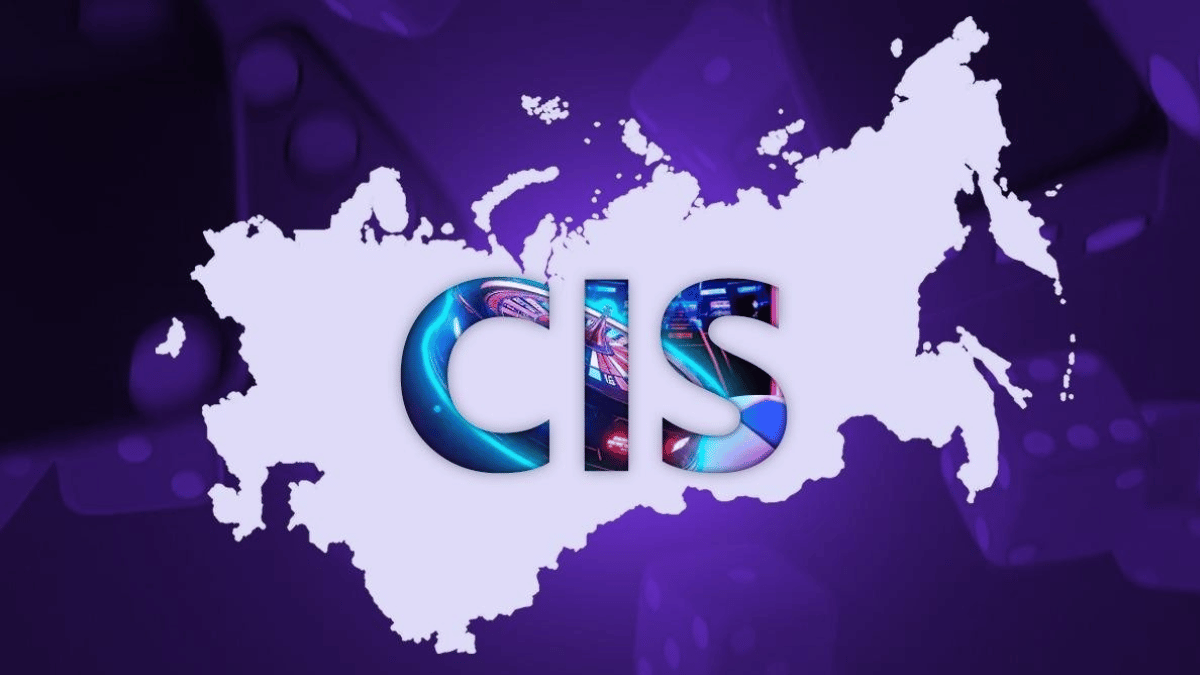
In response to these changing dynamics, many iGaming companies across the CIS region are moving away from rented audiences and adopting a long-term brand-building strategy by developing ambassadors from within their own organizations.
Rather than relying solely on external influencers, these companies are empowering employees, executives, and internal experts to become public-facing representatives of the brand.
This approach allows businesses to create authentic, trusted voices that reflect the company’s culture, expertise, and long-term vision-qualities that resonate more deeply with increasingly skeptical audiences.
Authenticity Delivers Sustainable Brand Equity
Industry experts say this internal ambassador model works because audiences can quickly detect insincerity.
As one market observer noted, “The market has matured. Audiences can smell insincerity instantly. If an influencer doesn’t actually live the product, the integration doesn’t build the brand—it simply creates noise. And noise does not turn into loyalty.”
This shift reflects a broader marketing evolution where authenticity consistently outperforms transactional endorsements.
Employees who genuinely understand and engage with the product are better positioned to build trust, answer questions credibly, and establish lasting relationships with communities.
The Future of iGaming Marketing Is Relationship-Driven
As compliance pressures intensify and customer acquisition costs continue to rise, operators can no longer depend solely on paid visibility to sustain growth.
The future belongs to brands capable of building real relationships through trusted voices, transparent communication, and consistent engagement.
For many CIS companies, developing internal ambassadors is proving to be a powerful competitive advantage-one that transforms trust into long-term brand equity and customer loyalty in an increasingly challenging global iGaming market.