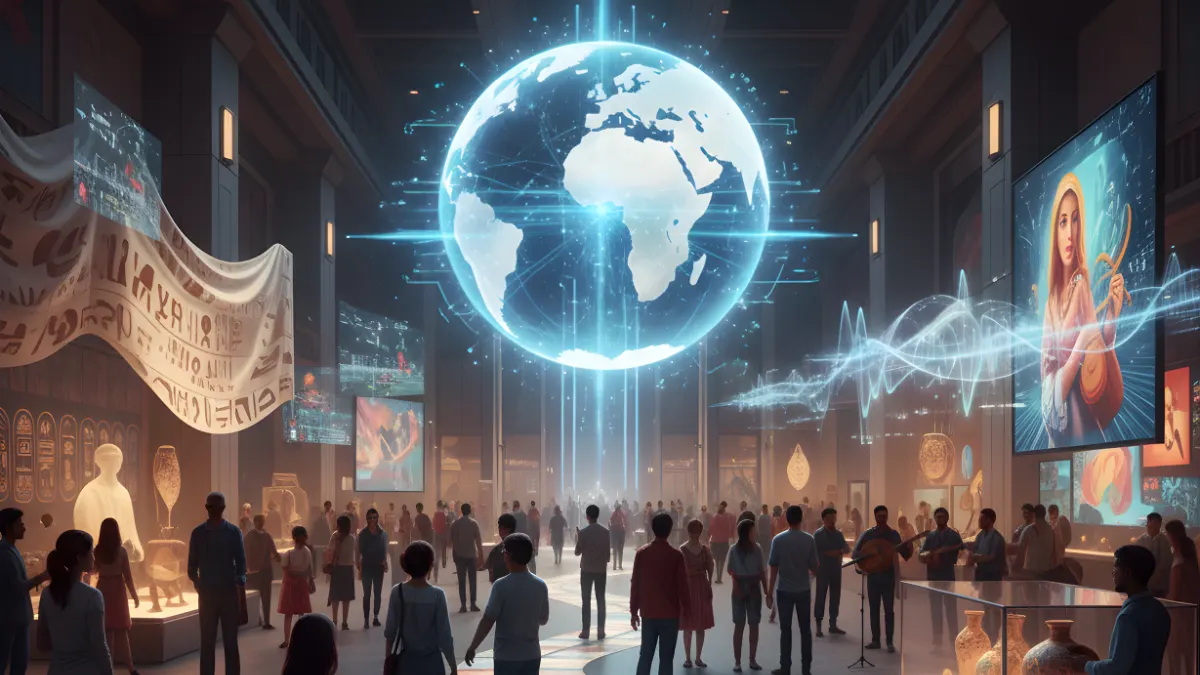
When tradition meets innovation, exhibitions become more than trade — they become cultural experiences that captivate audiences and drive connection.
The Cultural Renaissance of Exhibitions
The world of exhibitions is undergoing a quiet yet profound transformation.Beyond the business of products and technology, a new wave of cultural exhibitions is reshaping how audiences engage, learn, and connect.
These are not your traditional trade fairs. They’re living, breathing stories — where art, heritage, cuisine, and creativity intertwine with commerce.
From Art Basel’s global art dialogues to India Craft Week’s celebration of handmade traditions, cultural exhibitions are proving that emotion and authenticity are the new magnets for audiences.
In 2025, as audiences crave more meaning and less marketing, exhibitions that blend culture with experience are thriving — drawing not just buyers, but believers.
“When culture enters the exhibition floor, visitors don’t just attend — they belong.”
Visual Caption:
A panoramic shot of India Craft Week — artists weaving, musicians performing, and international visitors capturing moments of cultural exchange.
Culture as Commerce — The New Global Trend
Culture is no longer confined to museums or festivals; it’s now a thriving business dimension of exhibitions.As nations embrace soft power and storytelling, cultural exhibitions are becoming key instruments of diplomacy, tourism, and trade.
- At Art Basel, billion-dollar artworks become conversation starters between collectors and creators.
- At World Travel Market London, countries compete not just with brochures, but with immersive pavilions that taste, sound, and smell like home.
- At Japan Design Week, visitors are drawn into cultural minimalism — where tradition meets tech elegance.
These exhibitions sell more than products — they sell identity, experience, and emotion.
“Culture has become currency — and exhibitions are its global marketplace.”
Visual Suggestion:
A split design showing a contemporary Art Basel gallery juxtaposed with a vibrant Indian craft bazaar — symbolizing the blend of modernity and tradition.
India’s Cultural Footprint on the Global Map
India has emerged as one of the most dynamic contributors to the global cultural exhibition scene.Its strength lies in its diversity — art, textiles, crafts, cuisine, design, and spirituality — all merging to form a multi-sensory cultural economy.
India Craft Week in New Delhi has become a benchmark for experiential exhibitions rooted in tradition.Visitors can not only buy products but also see, feel, and participate — from live block printing to handloom weaving.
Meanwhile, events like Raas Garba Expo in Gujarat or Ganga Mahotsav in Varanasi integrate art with performance, tourism, and community engagement — turning regional heritage into international attraction.
“India’s exhibitions are no longer just trade platforms — they’re cultural movements.”
Visual Caption:
A craftsman demonstrating handloom weaving to international visitors at India Craft Week — the essence of ‘experience meets heritage’.
The Global Stage — Art, Design, and Storytelling in Motion
Across continents, culture-driven exhibitions are experiencing record visitor engagement and longer dwell times.
Art Basel (Switzerland, Hong Kong, Miami):
The world’s leading art fair connects collectors, curators, and creators in a global dialogue. Visitors don’t just see art — they experience it through live installations, augmented reality galleries, and cross-cultural performances.
World Travel Market London:
Tourism boards transform booths into miniature cultural experiences — think Morocco’s souks recreated in London, or Japan’s tea ceremonies inside exhibition halls.
Japan Design Week:
An immersive showcase of Japan’s fusion of tradition and modernity — from calligraphy robots to kimono-inspired tech fashion.
“Cultural exhibitions invite visitors not to observe, but to participate.”
Why Cultural Exhibitions Engage Better
Cultural exhibitions engage audiences because they appeal to both logic and emotion.
They make people feel something — wonder, nostalgia, curiosity, or joy.
Key Engagement Drivers:
Authenticity: Real artists, real materials, and real emotions.
Interactivity: Visitors become participants — painting, tasting, or performing.
Sensory Appeal: Sound, light, scent, and touch converge to deepen connection.
Cultural Curiosity: Global audiences crave diverse experiences.
Emotional Storytelling: Every piece of art or craft has a story — and people remember stories, not statistics.
Example:
At Dubai Design Week 2024, the “Material of Memory” exhibit allowed visitors to contribute personal objects that inspired modern art — blending personal emotion with public experience.
“Culture humanizes exhibitions — it turns commerce into connection.”
The Business of Emotion — How Culture Drives ROI
Cultural exhibitions aren’t just beautiful; they’re profitable.Studies show that visitors to culture-led shows spend 35% more time per booth and are 42% more likely to make purchases or bookings due to emotional resonance.
For Exhibitors:
- Cultural storytelling differentiates brands.
- Local art collaborations boost visibility.
- Experiences increase word-of-mouth and online shares.
For Organizers:
- Broader audience appeal (families, youth, tourists).
- Stronger partnerships with governments, embassies, and tourism boards.
- Sustainable event models integrating local economies.
Case Study Highlight:
At India Craft Week 2024, artisan exhibitors reported a 60% higher sales conversion than standard trade expos, with global buyers citing “authentic human connection” as the key factor.
“Culture converts because it connects.”
Visual Suggestion:
A buyer and artisan sharing a handshake — framed by colorful craft displays.
The Cultural Future of Exhibiting
The fusion of art, culture, and commerce will shape the exhibitions of tomorrow.As the industry moves toward experience-driven design, cultural integration will become a strategic pillar — not just a creative option.
Expect to see:
- Cross-Cultural Collaborations: Countries co-curating thematic zones (e.g., “Silk Road Pavilion”).
- Hybrid Heritage Platforms: Virtual craft shows and live art streaming.
- Creative Economy Forums: Linking artists with investors and brands.
- Sustainable Cultural Tourism: Exhibitions that promote destinations responsibly.
“The next global exhibition revolution won’t be powered by machines — it will be powered by meaning.”
Visual Caption:
Artists, designers, and entrepreneurs from five nations working together on a shared installation at Dubai Expo Pavilion.
Conclusion — Where Commerce Becomes Culture
The rise of cultural exhibitions proves that business and beauty can coexist.In a world increasingly digital and data-driven, culture reintroduces humanity — reminding us that exhibitions are, at their core, celebrations of creativity.
For organizers, it’s a call to curate not just shows, but stories.
For exhibitors, it’s an opportunity to move from product selling to purpose sharing.
And for visitors, it’s an invitation to not just attend, but to feel, connect, and remember.
Because when culture takes the stage, commerce becomes art — and every visitor becomes part of the story.
“The most successful exhibitions aren’t just attended — they’re experienced, cherished, and remembered.”