The modern exhibition floor reflects this shift clearly. Instead of uniform stalls, one increasingly encounters dynamic, open environments designed to engage multiple senses. Brands are no longer asking, “How do we display our product?” They are asking, “How do we make visitors experience our product?” This change in mindset is redefining booth design at a fundamental level.
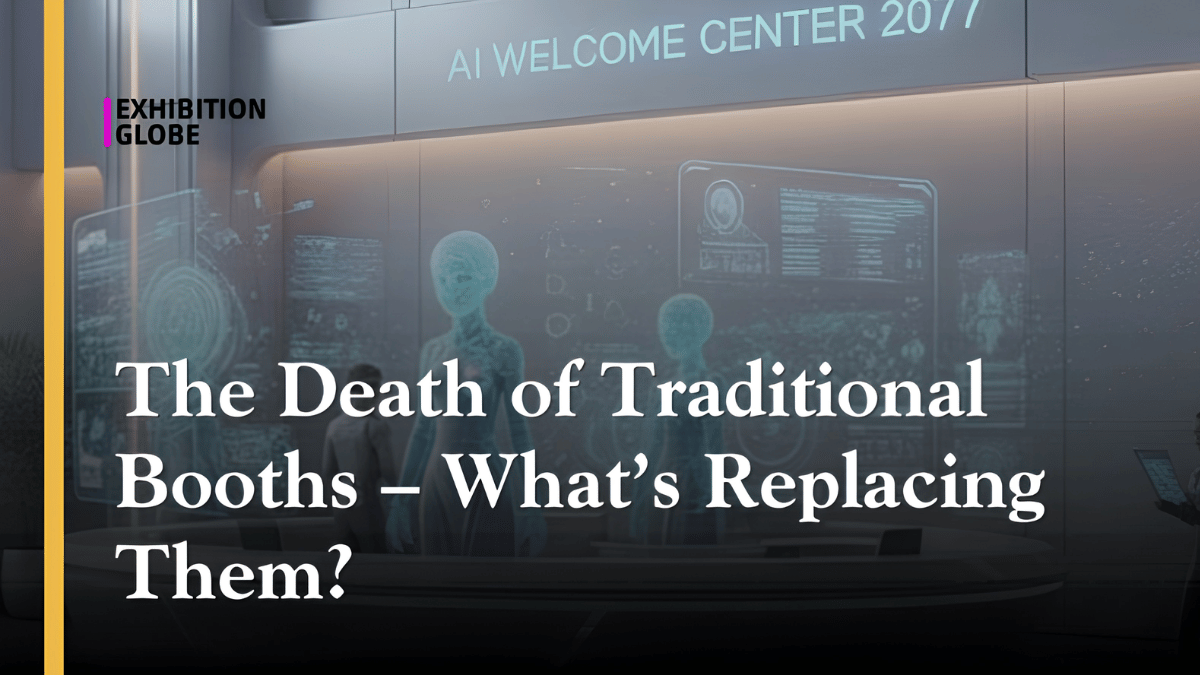
Technology has played a major role in accelerating this transformation. Interactive screens, augmented reality, virtual demonstrations, and real-time data integration are turning booths into intelligent engagement zones. A visitor can now explore a product digitally, visualize its application, or even simulate its use without physical limitations. These tools not only enhance understanding but also create memorable interactions that extend beyond the exhibition floor.
At the same time, physical design itself is evolving. Booths are becoming more open, fluid, and inviting. Barriers are being removed, layouts are being simplified, and spaces are being designed to encourage movement and conversation. Instead of enclosing visitors, modern booths invite them in. This openness reflects a deeper shift—from selling to engaging, from presenting to connecting.
Another defining trend is the rise of storytelling. Successful booths today are built around narratives rather than products. They communicate a brand’s purpose, vision, and impact in a way that resonates emotionally with visitors. Through carefully curated visuals, content, and interactions, they create a journey rather than a display. Visitors are not just informed—they are immersed.
This evolution is also closely tied to changing visitor behavior. In an era shaped by digital content and instant gratification, attention spans have shortened. Visitors decide within seconds whether to stop at a booth or move on. This has made first impressions more critical than ever. Booths must now capture attention quickly, communicate clearly, and engage immediately. There is little room for ambiguity or delay.
Interestingly, this shift is not necessarily about spending more—it is about thinking differently. Some of the most effective booths are not the largest or most expensive, but the most strategic. They use space intelligently, focus on clear messaging, and create meaningful interactions. In contrast, large but poorly designed booths often fail to deliver impact despite their scale.
Sustainability is another factor influencing the future of booth design. As environmental concerns gain importance, exhibitors are moving away from single-use materials and temporary structures. Modular designs, reusable components, and digital alternatives are becoming more common. This not only reduces environmental impact but also aligns with the evolving expectations of global audiences.
The role of people within the booth is also changing. In traditional setups, staff often waited for visitors to approach. In modern environments, engagement is more proactive and dynamic. Teams are trained to guide experiences, facilitate interactions, and build relationships. The human element remains central, but it is now integrated into a broader, more interactive ecosystem.
Looking ahead, the concept of the booth will continue to evolve. We are already seeing the emergence of “smart booths” that adapt to visitor behavior, display personalized content, and capture real-time data. In the near future, booths may become fully responsive environments, capable of tailoring experiences to each individual visitor. This level of personalization could redefine how brands connect with their audience.
What is clear is that the booth is no longer just a physical structure — it is a strategic tool. It represents the inter section of design , technology, psychology, and business objectives. Its purpose is not merely to exist , but to perform.
The death of the traditional booth, therefore, is not a loss. It is a necessary transformation. It marks the transition from static presence to dynamic engagement, from information to experience, from visibility to impact.
In this new era, the question is no longer how big your booth is—
 but how effectively it connects, engages, and converts.