How sensory design, storytelling, and immersive engagement are transforming trade shows into unforgettable brand theatres.
Opening Spread: The New Currency of Connection
Exhibitions have always been about business — products, deals, and data.
But in 2025, a new kind of currency dominates the showfloor: emotion.
Visitors no longer come to just see products; they come to feel them.
They want to be inspired, surprised, and immersed. In a world overflowing with information, experience has become the new differentiator.
Welcome to the Experience Economy, where exhibitions are no longer trade events — they are theatres of emotion, where design, storytelling, and technology unite to make brands unforgettable.
Section 1: From Selling to Storytelling
Traditional exhibitions used to focus on what you sell.
The modern exhibition focuses on why you exist.
Leading global brands now approach their booths as micro-experiences that tell stories. Instead of product catalogs, visitors encounter journeys — narratives of innovation, craftsmanship, and impact.
- A furniture brand invites visitors to walk through the “life of a chair,” from raw material to sustainable production.
- A food company uses immersive scents and sounds to recreate the farm-to-table story.
- A tech startup stages live “problem-solving sessions,” showing its AI product in action — not on slides, but in real-world use.
“People don’t remember what they saw — they remember how you made them feel.”
Visual Caption:
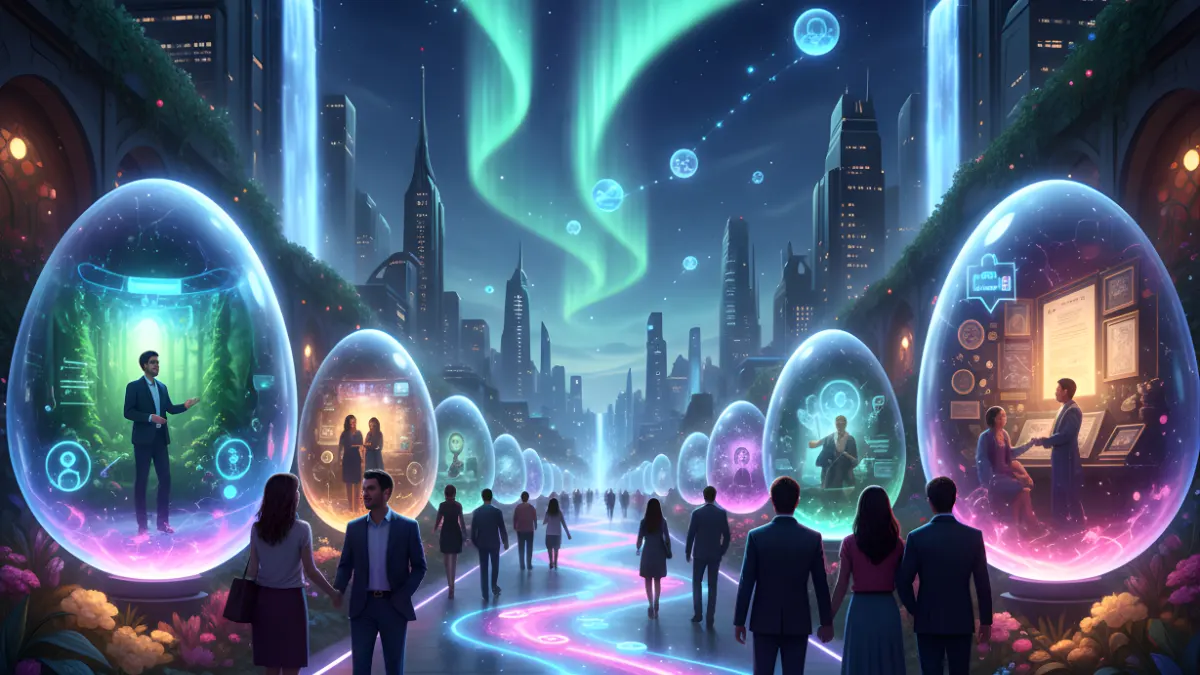
A visitor walking through a booth designed like a storybook tunnel, each section glowing with light, sound, and emotion.
Section 2: Design That Speaks to the Senses
The most powerful exhibitions now think beyond visuals — they design for all five senses.
1. Sight – Immersive lighting, dynamic displays, color psychology.
2. Sound – Ambient soundscapes or live performances reflecting brand tone.
3. Touch – Textures, materials, and interactivity that make visitors “feel” products.
4. Scent – Signature fragrances subtly linked to brand memory.
5. Taste – For food and hospitality brands, sensory sampling as storytelling.
This multi-sensory design philosophy transforms booths into “experience zones,” drawing visitors like magnets.
“In the experience economy, the booth isn’t built — it’s choreographed.”
Section 3: Technology as the Experience Enabler
Ironically, the emotional depth of modern exhibitions is being amplified by technology.
- AR & VR Experiences: Visitors can explore products virtually — from hotel interiors to car designs — with zero physical limits.
- Holographic Storytelling: Brands project founders, machines, or customer journeys through holograms and 3D light art.
- AI Emotion Mapping: Some exhibitions now track crowd mood through sensors, adapting booth lighting or music dynamically.
But unlike the tech-centric October issue’s theme, here technology takes a back seat — it’s no longer the story; it’s the stage that lets emotion perform.
“Technology has become invisible — the emotion it creates takes center stage.”
Visual Caption:
A visitor interacts with a holographic tree that changes colors based on their touch — symbolizing brand sustainability.
Section 4: Designing for Memory, Not Just Metrics
ROI used to be measured in leads and footfall.
Now, the most progressive exhibitors measure Return on Emotion (ROE) — how many smiles, social mentions, and memories they created.
Global data shows:
- 72% of visitors are more likely to recall brands that created emotional experiences.
- 60% of B2B exhibitors now budget for experience design, not just build.
- 84% of attendees share emotional or visually captivating booths on social media.
Successful exhibitors understand:
“It’s not about standing out — it’s about being remembered.”
Section 5: Cultural Fusion — Exhibitions as Global Storyboards
Exhibitions have become melting pots of culture, art, and innovation.
Across the globe, organizers are integrating local heritage and creative storytelling to emotionally engage audiences:
- Dubai Design Week celebrates cultural design fusion through art installations.
- India Craft Week invites artisans to co-create live with designers.
- Japan Design Festa merges technology with traditional crafts, transforming heritage into immersive art.
Every region tells its own story — but the underlying theme is universal: culture connects.
“Exhibitions are now the world’s biggest cultural storytellers.”
Visual Caption:
A craftsman and a designer shaping a sculpture together under the theme “Tradition Meets Tomorrow.”
Section 6: Voices of the Experience Makers
Organizers and designers alike agree: the next competitive advantage is emotion design.
“A booth is no longer a space — it’s a feeling. We spend as much time crafting the emotional flow as the physical design.”
— Laura Hines, Experience Architect, London Design Expo
“Data helps us measure; design helps us move people. The magic lies in the mix.”
— Karan Sethi, Founder, Experia India Pvt. Ltd.
Section 7: Sustainable Storytelling — Emotionally Responsible Exhibiting
The Experience Economy also aligns beautifully with sustainability.
Minimalism, authenticity, and creativity are replacing wasteful grandeur.
- Reused Materials: Bamboo, recycled aluminum, modular booth panels.
- Digital Storytelling: Replaces printed catalogs with screens and QR journeys.
- Local Sourcing: Culturally rooted decor that reduces logistics and emissions.
Emotionally powerful doesn’t mean expensive — it means meaningful.
“The most sustainable booth is the one people never forget.”
Section 8: The Future — Emotion Meets Intelligenc
The next wave of exhibitions will blend AI-driven personalization with emotion-driven creativity.
Imagine exhibitions that know your interests, greet you by name, and adapt lighting, visuals, and music to your mood.
Imagine brands that don’t pitch — they perform.
By 2030, the best exhibitions will feel less like events and more like emotional ecosystems, where connection is the ultimate product.
“Exhibitions of tomorrow will be remembered not for what they showed, but for what they made people feel.”
Conclusion: The Exhibition as an Experience
The Experience Economy has changed the rules.
Success no longer depends on how much you show — but how deeply you connect.
The booths that win hearts will be those that blend art and analytics, emotion and intelligence, and human stories told through modern tools.
Because in 2025 and beyond —
Experience isn’t an add-on. It’s the exhibition itself.