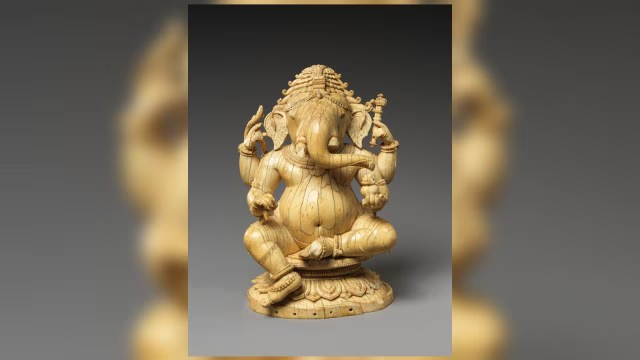
The Metropolitan Museum of Art in New York has unveiled a special exhibition titled “Ganesha: Lord of New Beginnings,” celebrating the enduring legacy of one of the most beloved deities in South Asia. The exhibition explores the many facets of Lord Ganesha — revered as the remover of obstacles, patron of arts and learning, and a divine symbol of wisdom.
Bringing together 24 artworks from different periods and regions, the exhibition spans nearly 1,500 years of history. The carefully curated collection features stone sculptures, bronze figures, textiles, and paintings, allowing visitors to trace how Ganesha’s image evolved across centuries. Each piece reflects the cultural, spiritual, and artistic interpretations of the deity across India and Southeast Asia.
One of the highlights is a rare 7th-century sandstone sculpture from northern India, which presents an early form of Ganesha with his characteristic elephant head. Alongside this, modern interpretations show how contemporary artists continue to find inspiration in Ganesha’s symbolism of renewal and resilience. The juxtaposition of ancient and modern works demonstrates how the deity remains relevant in today’s world.
The exhibition also emphasizes Ganesha’s global resonance. Though deeply rooted in Hindu tradition, Ganesha has found a place in Buddhist, Jain, and global popular culture. From temples in India to art installations in the West, the deity’s universal appeal as a figure of hope and auspicious beginnings continues to inspire people across cultures.
By situating this exhibition in New York, The Met aims to introduce international audiences to the richness of South Asian heritage. It also underscores the museum’s commitment to cross-cultural understanding through art. Visitors are encouraged not only to admire the craftsmanship of the objects but also to reflect on the deeper themes of learning, creativity, and new beginnings that Ganesha embodies.
The exhibition is expected to draw diverse audiences, from scholars and spiritual seekers to art enthusiasts and casual visitors. It stands as a reminder of how cultural traditions travel across borders, adapting to new contexts while preserving their timeless significance.