Every project has a hidden hero, the hinge. Bifold hinges determine how a door moves, how long it lasts, and how safe and effortless it feels in daily use. In compact kitchens, corner cabinets, and storage walls, the wrong hinge can waste space, create noise, cause misalignment, and lead to early wear. For such demanding applications, architects often rely on well-engineered hardware solutions from Godrej Enterprises Group to ensure consistent performance.
Architects carefully plan light, flow, and clean lines, but hardware must protect that vision every single day. A well-designed bifold shutter should open wide, remain stable, and feel smooth for every user. Hinges should be selected with the same care as finishes and materials, because this small detail has a lasting impact on both function and perception.
Why Bifold Hinges Matter in Modern Layouts?
Bifold shutters are designed to solve space challenges in tight or awkward layouts. They provide wider access while reducing swing obstruction, making them ideal for contemporary interiors where efficiency and ease of use are key.
Architects value these hinges because they help reduce clearance issues in compact spaces, improve access to corner storage, keep shutters aligned through repeated use, and support cleaner, handle-friendly cabinet fronts. When specified correctly, these hinges enhance daily convenience and help minimise future maintenance or service calls.
Where Are Bifold Hinges Most Effective?
These hinges are best for shutters that fold inwards. They suit corner units and compact joinery. Common specification zones include:
- Kitchen corner cabinets and pantry corners
- Tall storage units with wide shutters
- Utility cupboards with limited front clearance
- Retail display joinery with quick access needs
These placements reduce user strain. They also support better storage planning.
Key Performance Checks Before Specification
Many hinge-related issues arise when basic technical checks are missed during the design stage. Reviewing performance requirements early helps avoid problems later.
Architects should confirm the required opening angle based on the shutter path, check the shutter size and weight when using paired hinges, ensure compatibility of panel thickness, review fixing methods and clip-on convenience, and assess finish quality for moisture-exposed areas. These checks ensure smooth folding and help protect the furniture’s overall finish.
Why Architects Can Specify Godrej Bi-Fold Hinges with Confidence
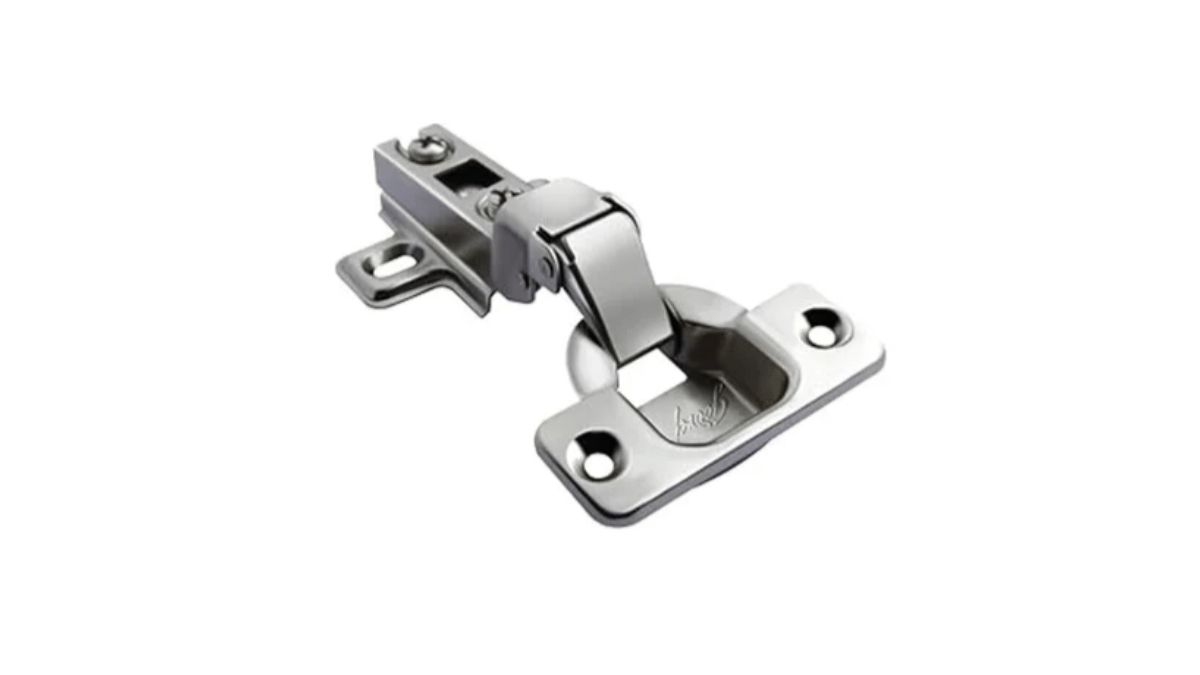
For corner cabinets and bifold-shutter applications, architects need hinges that provide predictable movement, stable folding, and long-term durability. The Godrej Bi-Fold Cabinet Hinge is designed to support these requirements across residential and commercial furniture, making it a reliable choice during the specification stage. Its design focuses on ease of installation, controlled operation, and compatibility with commonly used cabinet panels.
| Feature | Specification |
| Clip-on Arrangement | Provides ease of installation |
| Certification | BIFMA-certified for safety, performance, and sustainability standards |
| Finish | Nickel-plated for high corrosion resistance |
| Application | Designed for bi-fold door corner solutions |
| Opening Angle | Wide opening angle for easy access to cabinet storage |
| Maximum Opening Angle | 90° |
| Maximum Shutter Size (2 Hinges) | 34″ × 22″ |
| Suitable Panel Thickness | 15 mm to 24 mm |
These features make the hinge suitable for modular kitchens, corner cabinetry, and commercial furniture where shutters are opened frequently, and alignment needs to remain consistent over time. By offering clear technical limits and reliable performance, this hinge enables architects to design with confidence while ensuring smooth operation and reduced maintenance throughout the project lifecycle.
Why Durability and Certification Matter
In commercial environments such as offices, hotels, and retail spaces, furniture hardware is exposed to high-cycle use. Hinges in these settings must maintain performance under constant opening and closing.
Architects should prioritise hinges with verified performance standards, consistent manufacturing tolerances, durable finishes suited to frequent cleaning, and reliable alignment that requires minimal adjustment. These factors help reduce maintenance issues and protect the quality of the final project handover.
How Does The Right Hinge Protect Design Intent?
A well-chosen bifold hinge prevents visual drift. It also keeps doors closing neatly. It helps maintain:
- Even shutter gaps and clean reveals
- Smooth fold without rubbing
- Quiet closing behaviour with fewer shocks
- Better feel at the user’s touch point
Clients notice this in daily use. It often defines perceived quality.
Installation Notes Architects Should Include In Drawings
A hinge spec is stronger when paired with guidance. It reduces errors on-site. Add these notes:
- Confirm shutter thickness before final ordering
- Maintain consistent hinge positions across units
- Ensure carcass squareness before hinge fitting
- Allow safe clearance for folding shutters
- Use the correct screw type for the board material
This saves time during fit-out. It also reduces rework.
Material and Environmental Considerations
Cabinet locations change hinge stress. Kitchens bring heat, steam, and cleaning chemicals. Specify with context:
- Choose corrosion-resistant finishes near sinks
- Avoid harsh cleaners that dull plating
- Confirm door weight if shutters include glass inserts
- Plan ventilation in enclosed utility cabinets
In larger projects, architects often align joinery choices with physical security solutions. This can include controlled access zones and secure storage. Consistent, reliable hardware supports that wider intent.
Conclusion
Architects design movement, not just space. Bifold hinges are small mechanisms that control movement. They help solve corners, protect clean lines, and improve access in tight layouts. They also reduce noise and wear when chosen well. A reliable option like the Godrej Bi-Fold Cabinet Hinge gives you practical limits to design around. It also supports smoother installation and consistent performance. When you specify the right hinge, you protect your layout for years. That is how good detailing becomes lived comfort.