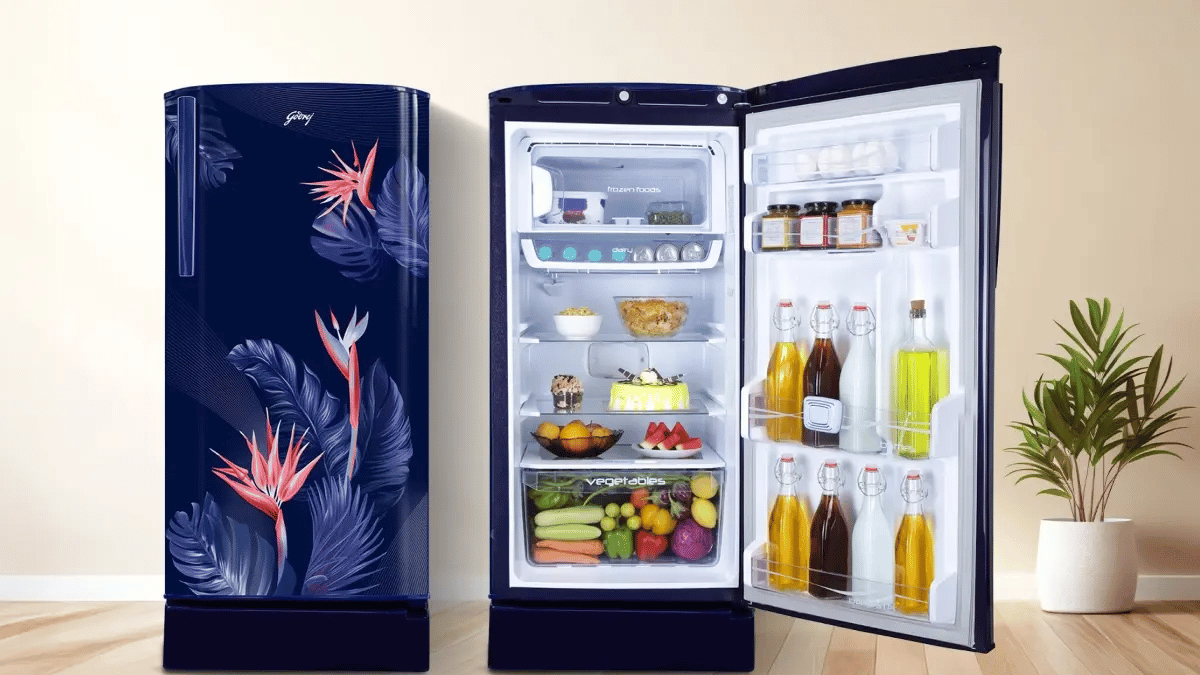
A home refrigerator is essential for storing food safely and maintaining freshness. It supports everyday household needs through reliable and consistent performance. Choosing the right appliance directly affects family health, household expenses, and daily convenience. From maintaining proper food hygiene and preventing spoilage to efficiently managing electricity consumption, each feature plays a practical role in everyday use. The following sections highlight the key factors to consider when selecting the right cooling solution for your household.
How Does a Refrigerator Impact Food Safety and Family Health?
Maintaining the correct temperature inside a refrigerator plays a critical role in preserving food hygiene and ensuring family health. A reliable cooling system helps prevent premature spoilage and limits the growth of harmful bacteria on perishable items. Proper cooling also helps maintain the nutritional value, texture, and taste of everyday food items, supporting safe and healthy consumption for the entire family.
Different food categories require specific storage conditions. Raw produce and cooked meals benefit from separate temperature zones, dairy products need consistent chilling to stay fresh, and frozen items require stable sub-zero temperatures to maintain safety and quality. For families with specific dietary needs, precise cooling conditions become even more important to keep daily meals safe and suitable for consumption.
How It Influences Household Running Costs
Electricity consumption constitutes a significant portion of monthly utility bills. Checking the Bureau of Energy Efficiency (BEE) star rating helps measure power usage and estimate future running costs
- Higher star ratings directly correlate to lower electricity consumption over the appliance’s lifespan.
- Efficient compressors and advanced inverter technology lessen the load on your home’s power supply.
- High-quality components reduce the likelihood of frequent breakdowns and expensive repair bills.
Investing in a well-engineered appliance not only reduces long-term maintenance costs but also helps manage household utility bills more effectively.
Role in Reducing Food Waste
Optimal air circulation within a home refrigerator is crucial for extending the shelf life of fresh produce, supporting efficient grocery planning and minimising spoilage
- Moisture control crispers maintain the freshness and crispness of vegetables for extended periods.
- Dedicated zones for leftovers help to prevent cross-contamination and preserve food quality.
- Even cooling prevents items stored at the back from freezing accidentally.
These preservation features reduce food waste and help you use groceries more efficiently.
Choosing the Right Size for Your Family
Capacity dictates how efficiently your household stores daily provisions. Matching the internal volume to your family size ensures optimal performance.
- An undersized unit leads to overcrowding and blocked air vents.
- An oversized unit wastes electricity cooling space.
- Physical dimensions must align with your kitchen layout and door clearances.
Selecting an appropriate capacity balances spatial constraints with daily storage requirements.
Why Refrigerator Type Matters
Different refrigerator formats serve different storage and usage needs, so understanding their differences helps you make a more informed choice.
- Single Door: Suitable for homes with minimal storage needs.
- Double Door: Double door refrigerator, keeps freezer and fresh food separate to prevent frost buildup.
- Multi Door: Offers specialised zones for better food organisation.
A double-door refrigerator is especially suitable for households that need separate, frost-free freezer access.
Daily Convenience and Organisation
The internal layout directly affects how quickly you can locate ingredients. Well-planned shelving saves time during meal preparation.
- Adjustable shelves accommodate tall bottles and large vessels.
- Dedicated dairy compartments isolate odours.
- Pull-out drawers make it easier to access heavy items.
A logical storage arrangement minimises the time the door stays open, retaining cold air efficiently.
Durability and Maintenance Considerations
The quality of materials determines the lifespan of your kitchen appliances. A well-built unit demands less frequent servicing.
- Toughened glass shelves safely support heavy Indian cookware.
- Spill-proof edges contain liquid leaks for easier cleaning.
- Sturdy door hinges withstand thousands of open-and-close cycles.
These features reduce door opening time and maintain cooling efficiency. They also contribute to better temperature retention and overall usability. Such design considerations are often seen in solutions offered by providers such as Godrej Enterprises Group.
Making a Smart and Practical Purchase Decision
Making a smart and practical refrigerator purchase starts with aligning the appliance’s features with your household’s everyday needs. Understanding weekly grocery habits helps determine the right capacity, while evaluating the freezer-to-fresh-food ratio ensures balanced storage. Considering local climate and power supply stability also supports reliable performance over time. When these factors are carefully matched, the refrigerator works efficiently, reduces waste, and supports long-term convenience, ensuring the appliance continues to meet your family’s evolving needs for years.
Conclusion
Choosing the right home refrigerator plays an important role in food safety, daily convenience, and long-term savings. Selecting the correct size, features, and energy efficiency helps maintain freshness, reduce electricity use, and minimise maintenance costs. A well-chosen appliance supports better organisation, smoother meal planning, and reliable performance over the years. Thoughtful selection ensures the refrigerator fits your family’s needs while contributing to a practical, efficient, and well-managed kitchen environment that supports everyday living.