Buying bike insurance in 2026 involves using digital tools that have become increasingly efficient. With the rise of instant comparison platforms and customisable digital policies, riders have more control over their coverage than ever before. The speed of online transactions means it is important to understand the fundamental components of a policy to ensure the chosen plan meets specific requirements.
Understanding the primary types of cover
The first step in selecting a bike insurance policy is distinguishing between the levels of protection available. Most markets categorise insurance into two main types to meet both legal requirements and personal financial needs.
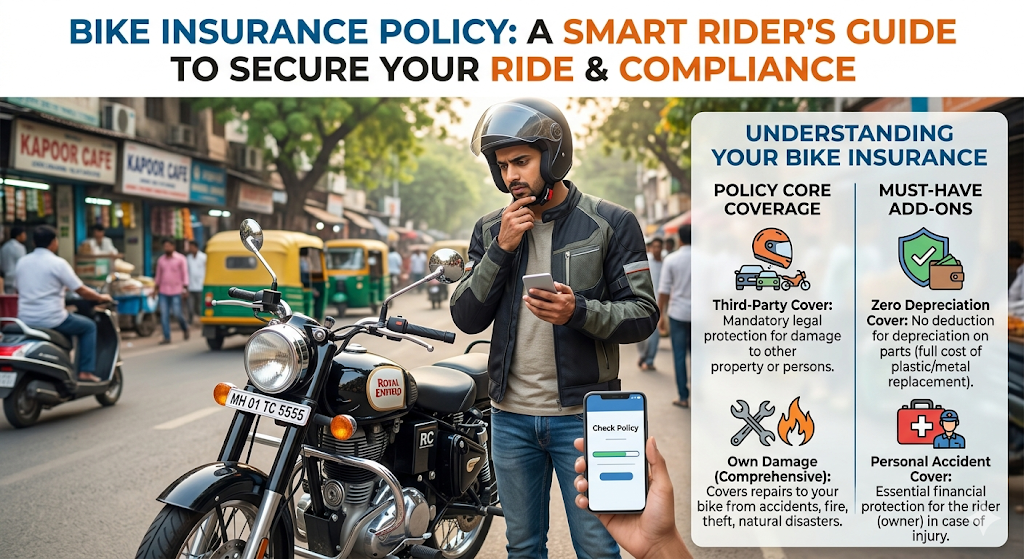
- Third-party cover: This is the mandatory legal requirement for any rider using public roads. It covers the costs associated with injury or damage caused to other people, their vehicles, or their property. It does not provide financial protection for the policyholder’s own bike or personal injuries if they are responsible for an accident.
- Comprehensive bike insurance: This type of policy includes the mandatory third-party liability and adds protection for the rider’s own vehicle. It typically covers losses resulting from accidents, fire, and theft. Given the risk of vehicle theft and the cost of repairs, this level of cover is a frequent choice for those seeking full financial protection.
The difference in premium costs between these two options is often small compared to the difference in the level of security provided.
Getting the insured declared value right
The Insured Declared Value (IDV) is the fixed amount the insurance company agrees to pay if the bike is stolen or suffers a total loss. This value is based on the manufacturer’s listed selling price of the vehicle, which is then adjusted for depreciation based on the age of the bike.
Correctly setting the IDV is an important part of the process:
- Low IDV: While this results in a lower annual premium, it means the payout in the event of a total loss will be insufficient to purchase a replacement of the same standard.
- High IDV: Setting a value higher than the market rate will increase the premium cost without providing extra benefit. Insurers settle claims based on the actual market value at the time of the incident.
Checking the current resale value of similar makes and models helps in selecting an IDV that reflects the true worth of the motorcycle.
Choosing the right add-ons for your policy
Standard insurance policies provide a solid foundation, but add-ons allow for further customisation. These are optional covers that can be attached to comprehensive bike insurance to address specific risks that a basic plan might exclude.
- Zero depreciation: In a standard claim, insurers usually deduct a percentage for the depreciation of parts such as plastic, rubber, or fibre. A zero depreciation add-on ensures that the insurer pays the full replacement cost of these parts, reducing the rider’s personal expenditure during repairs.
- Engine protection: Most standard policies do not cover engine damage caused by oil leaks or water entering the system. This add-on is useful for riders in areas prone to heavy rain or flooding.
- Roadside assistance: This provides support for mechanical breakdowns, punctures, or the need for towing. It is a functional addition for those who use their bikes for daily commuting or long-distance travel.
Insurers like Zurich Kotak General Insurance provide digital interfaces where these add-ons can be selected and reviewed. This allows the user to see the impact on the total cost before the final purchase is made.
Comparing providers beyond the premium price
Selecting the right insurance provider requires looking at performance metrics that go beyond the base premium price. In 2026, data transparency allows riders to evaluate companies based on their service history.
Claims settlement ratio
This ratio indicates the percentage of claims an insurer has successfully settled in a financial year. A high ratio suggests that the company has a consistent track record of fulfilling its obligations to policyholders. It is a key indicator of the reliability of the provider during the claims process.
Cashless garage network
A wide network of authorised garages is a major convenience. If a bike needs repairs after an incident, using a garage within the insurer’s network allows for a cashless process. The insurer pays the garage directly for the covered repairs, which removes the need for the policyholder to pay a large sum upfront and wait for reimbursement.
Digital service and support
The quality of the mobile app or website is an important consideration. A good provider offers features like digital policy storage, automated renewal reminders, and the ability to track a claim in real time. Reading independent customer feedback provides insight into how a company handles its digital operations.
Conclusion
The most effective insurance policy is one that matches the specific usage patterns of the rider and the risks associated with their environment. Whether it is a commuter scooter or a high-performance motorcycle, the goal is to secure a plan that offers reliable financial support.
In 2026, the availability of detailed information and the ease of digital transactions make it possible to secure high-quality cover quickly. By focusing on the IDV, the reputation of the provider, and the relevance of add-ons, riders can ensure their vehicle is covered for the year ahead.