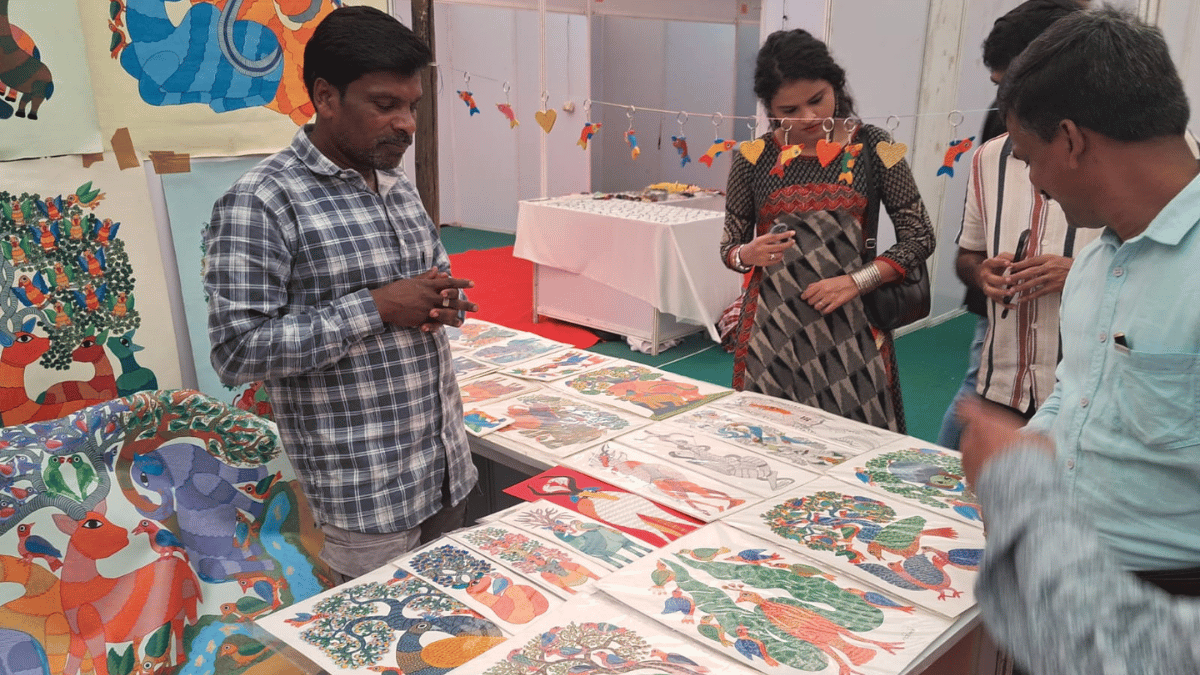
The rich and diverse heritage of India’s tribal craftsmanship is being celebrated in full splendour at the Gandhi Shilp Bazaar, inaugurated at the International Centre Goa. The exhibition has emerged as a vibrant cultural hub, bringing together artisans from across the country to showcase their traditional skills, artistic expressions, and handcrafted products. With a focus on preserving indigenous art forms, the bazaar offers visitors a unique opportunity to experience India’s living traditions up close.
A National Platform for Traditional Artisans
The Gandhi Shilp Bazaar has been organised by the Assam Small Industries Development Corporation, with support from the Development Commissioner (Handicrafts) under the National Handicrafts Development Programme. The initiative reflects the government’s continued commitment to empowering artisans, particularly those from rural and tribal communities, by providing them with a direct marketplace to connect with buyers.
Artisans from different parts of India have gathered at the exhibition, bringing with them generations of inherited craftsmanship. A significant highlight of the event is the strong representation from the North Eastern states, a region known for its intricate textiles, eco-friendly materials, and vibrant cultural identity. The bazaar serves not only as a commercial platform but also as a cultural exchange where traditions from diverse regions come together.
Grand Inauguration by Dignitaries
The exhibition was formally inaugurated by Chief Guest Sagun Velip, Director of the Department of Handicrafts, Textiles and Coir, Government of Goa. The inauguration ceremony witnessed the presence of several key officials and stakeholders from the handicrafts sector, including Deeptansu Haldar, Regional Director (Western Region), Development Commissioner (Handicrafts).
In his address, Sagun Velip applauded the artisans for their dedication and resilience in preserving traditional crafts despite the challenges posed by modern industrialisation. He emphasised that platforms like the Gandhi Shilp Bazaar play a crucial role in sustaining India’s cultural heritage while offering visitors an authentic and enriching experience.
Deeptansu Haldar also highlighted the government’s proactive approach in strengthening the handicrafts ecosystem. He spoke about ongoing initiatives aimed at improving market access, enhancing skill development, and promoting Indian handicrafts on both national and international platforms. His remarks underscored the importance of policy support in ensuring the long-term sustainability of the sector.
A Celebration of India’s Artisanal Diversity
One of the key attractions of the Gandhi Shilp Bazaar is the wide range of traditional crafts on display. Each product tells a story of its origin, reflecting the cultural identity, history, and craftsmanship of its region. Visitors to the exhibition can explore an impressive variety of handmade items that combine aesthetic appeal with functional value.
Among the highlights is the elegant Mekhala Chador, a traditional Assamese attire known for its intricate weaving and graceful design. The bazaar also features vibrant Banjara embroidery, characterised by bold colours, mirror work, and detailed patterns that represent the nomadic Banjara community’s artistic heritage.
Art lovers are drawn to the exquisite Gond paintings, which depict folklore, nature, and mythology through intricate lines and vivid colours. Eco-conscious visitors can explore products made from natural fibres, including the sustainable Moonj craft, known for its durability and environmental friendliness.
Another standout is the timeless Bastar Dokra art, a traditional metal casting technique practiced by tribal artisans in Chhattisgarh. These handcrafted pieces, often inspired by tribal life and deities, showcase remarkable skill and attention to detail.
Supporting Livelihoods and Cultural Preservation
Beyond its visual appeal, the Gandhi Shilp Bazaar plays a significant role in supporting the livelihoods of artisans. By providing a direct selling platform, the exhibition eliminates intermediaries, allowing artisans to receive fair value for their work. This not only boosts their income but also encourages them to continue practicing their traditional crafts.
The bazaar also serves as an educational platform for visitors, raising awareness about the importance of preserving handmade crafts in an era dominated by mass production. By interacting directly with artisans, visitors gain insights into the time, effort, and cultural significance behind each product, fostering a deeper appreciation for handcrafted goods.
Strengthening India’s Handicrafts Ecosystem
Events like the Gandhi Shilp Bazaar are instrumental in strengthening India’s handicrafts ecosystem. They create opportunities for artisans to expand their customer base, explore new markets, and adapt to changing consumer preferences. At the same time, they help preserve intangible cultural heritage by keeping traditional skills alive and relevant.
The government’s continued support through initiatives such as the National Handicrafts Development Programme ensures that artisans receive the necessary resources, training, and exposure to thrive in a competitive market. These efforts are crucial in positioning Indian handicrafts as valuable cultural and economic assets on the global stage.
A Cultural Experience for Visitors
For visitors, the Gandhi Shilp Bazaar offers more than just a shopping experience—it is a journey through India’s rich cultural landscape. The vibrant stalls, diverse products, and stories behind each craft create an immersive environment that celebrates creativity and tradition.
As the exhibition continues to attract visitors, it stands as a testament to India’s enduring artisanal legacy and the resilience of its craftspeople. By bridging the gap between tradition and modernity, the Gandhi Shilp Bazaar not only preserves the past but also paves the way for a sustainable and culturally rich future.