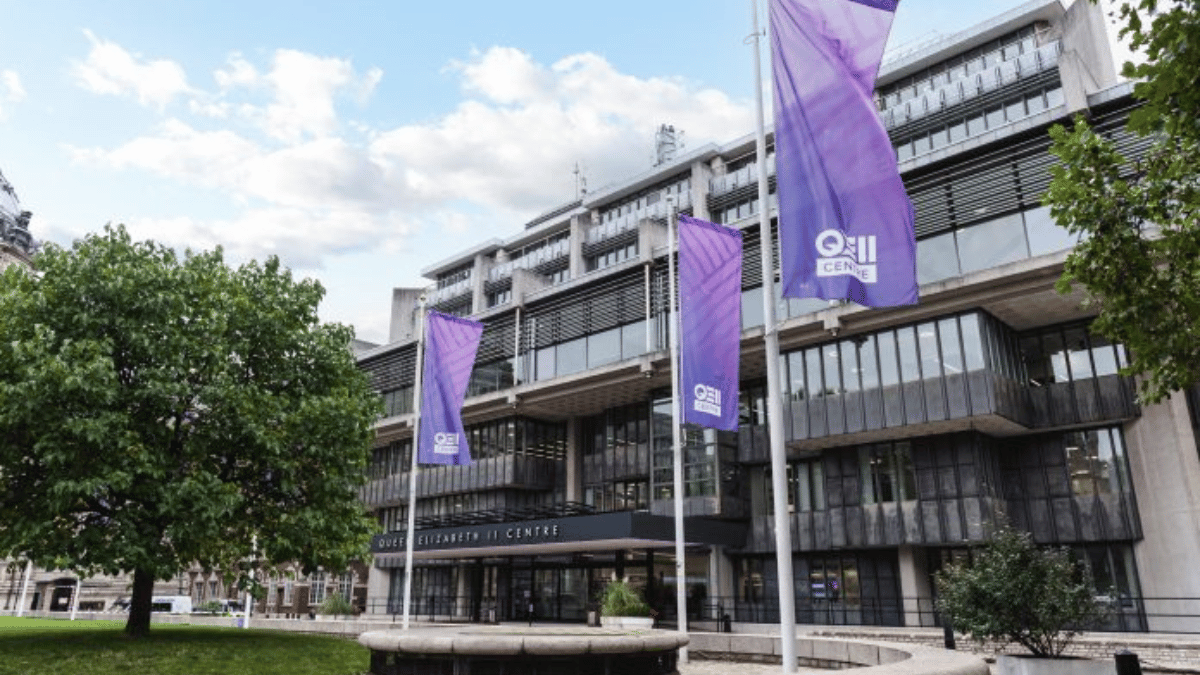
As the QEII Centre celebrates its 40th anniversary, one of its longest-serving clients has reflected on how conferences and corporate events have evolved over the past four decades. From paper-based planning and formal ceremonies to AI-powered event technology and personalized attendee experiences, the events industry has undergone a remarkable transformation.
Caroline Windsor, Associations Director at professional conference organizer and creative live events agency TFI Lodestar, shared her insights into the changing landscape of association conferences, highlighting both the technological advances and the enduring value of face-to-face networking.
From Formal Ceremonies to Modern Business Events
According to Windsor, conferences during the 1980s were far more formal than they are today. Association congresses often featured elaborate opening ceremonies attended by members of the royal family or government officials, while senior society officers proudly wore ceremonial chains of office and medals throughout the event.
Annual General Meetings (AGMs) were a central feature of conferences and frequently occupied a significant portion of the program. Prize-giving ceremonies were equally prominent, and organized sightseeing tours for delegates’ accompanying guests were considered an essential part of the overall congress experience.
Today’s conferences, by comparison, are designed to be more flexible, interactive, and attendee-focused, with greater emphasis on learning, networking, and personalized experiences.
Event Technology Has Revolutionized Conference Management
One of the most significant changes has been the rapid adoption of event technology.
Before the arrival of modern conference management platforms, event organizers relied heavily on manual processes. Abstract submissions were managed using spreadsheets, while scientific committees reviewed hundreds of research papers in printed format.
Conference scheduling itself was a painstaking task. Organizers spent days arranging presentations using paper timetables and color-coded sticky notes to build the final agenda.
Although the process was labor-intensive, Windsor recalls that it remained effective despite the absence of digital tools.
Today, event organizers benefit from specialized event management software, online abstract systems, event apps, AI-powered scheduling, live streaming, digital registration platforms, and real-time attendee engagement tools that significantly improve efficiency and the delegate experience.
Delegate Expectations Have Changed Dramatically
Windsor noted that delegates in the 1980s viewed attending their professional association congress as a prestigious opportunity.
Researchers whose work had been accepted for presentation often attended every conference session from morning until evening, using the event primarily to exchange knowledge and network with internationally recognized experts.
Exhibition halls generally became busy only during scheduled coffee breaks and lunch sessions.
Modern delegates, however, have very different expectations.
With increasing professional commitments and constant digital connectivity, attendees now seek greater flexibility. Many create personalized schedules, move between educational sessions and exhibition spaces throughout the day, and rely on mobile event applications to customize their conference experience.
The rise of social media and digital communication has also changed how delegates engage with speakers, exhibitors, and fellow attendees before, during, and after events.
Face-to-Face Networking Remains Irreplaceable
Despite advances in event technology, Windsor believes one aspect of traditional conferences remains as valuable as ever: meaningful in-person networking.
She recalled a memorable scientific conference where medical researchers from two different countries discovered that combining their independent studies significantly accelerated progress in diabetes treatment. Their collaboration reportedly advanced research by nearly a decade, demonstrating the power of spontaneous face-to-face conversations.
While similar collaborations continue today, Windsor believes the industry would benefit from encouraging delegates to spend more time engaging with one another rather than focusing on mobile devices throughout conferences.
Four Decades of Innovation in the Events Industry
The QEII Centre’s 40-year milestone reflects the broader evolution of the meetings, conferences, and exhibitions industry.
Over the past four decades, conferences have shifted from paper-based administration and highly structured agendas to digitally connected, data-driven, and experience-focused events. Artificial intelligence, hybrid meeting formats, live streaming, event applications, and interactive technologies now play a central role in conference planning and attendee engagement.
At the same time, industry leaders continue to emphasize that the greatest value of conferences lies in bringing people together to exchange ideas, build professional relationships, and foster innovation.
As the global events industry continues to evolve, the combination of advanced technology and authentic human interaction is expected to define the next generation of successful conferences and association events.