The UK’s thriving live events sector is facing a growing workforce challenge that extends far beyond a shortage of skilled professionals. According to new research from Birmingham City University (BCU), the industry’s recruitment and retention difficulties are being driven by long-standing issues surrounding working conditions, career progression, freelance employment, and work-life balance.
Published in the International Journal of Event and Festival Management, the study suggests that while Brexit and the COVID-19 pandemic intensified labour shortages, they also exposed deeper structural problems that continue to impact the sector’s ability to attract and retain talent.
Research Highlights Long-Term Workforce Challenges
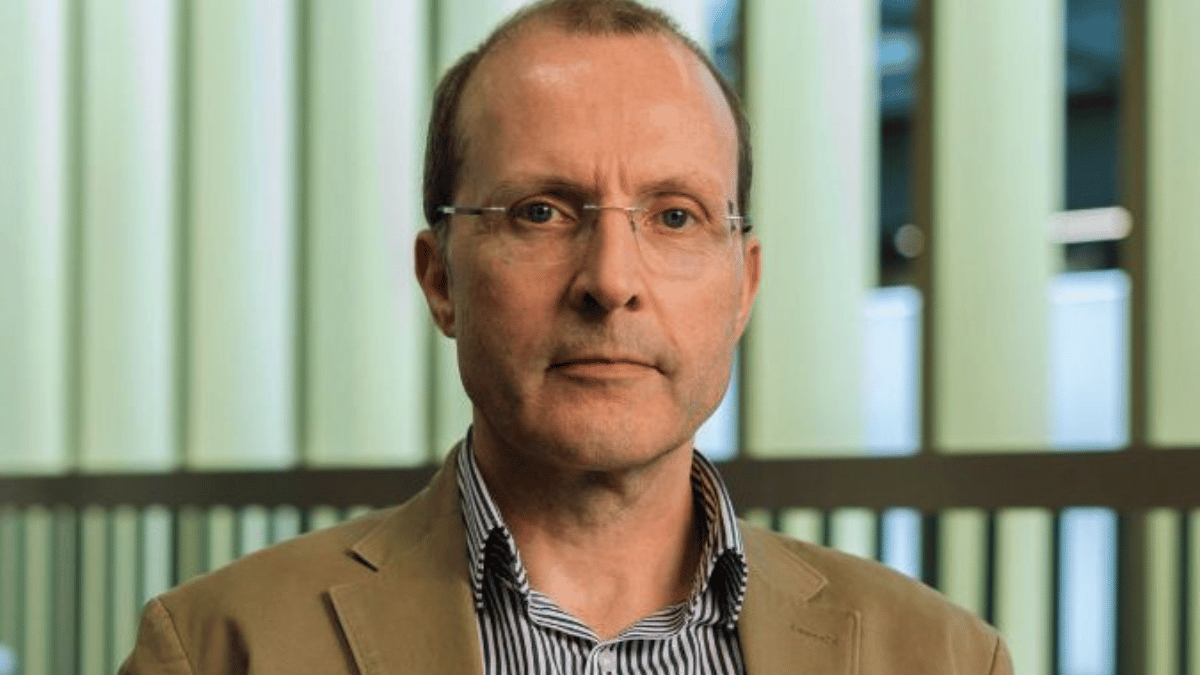
The research was led by Dr. Roy Priest, Academic Lead for Student Experience and Employability at Birmingham City University, who examined the experiences of employers and freelancers working across the UK’s live events industry in the post-Brexit and post-pandemic landscape.
Drawing on interviews with professionals from across the sector, the study found that workforce shortages are linked not only to recruitment difficulties but also to retention issues, limited career development opportunities, insecure freelance employment, irregular working hours, and a lack of work-life balance.
The findings indicate that these structural challenges are making it increasingly difficult for organisations to build and sustain a skilled workforce.
A £61 Billion Industry Under Pressure
The UK’s live events industry contributes more than £61 billion annually to the national economy and supports hundreds of thousands of jobs across festivals, concerts, theatre, exhibitions, conferences, and corporate events.
Despite its significant economic contribution, many organisations continue to struggle to recruit experienced professionals while retaining existing employees. The research suggests that these staffing challenges could have long-term implications for the industry’s continued growth and competitiveness.
Younger Professionals Seeking Sustainable Careers
One of the key findings of the study is the changing expectations of younger professionals entering the industry.
Interviewees reported that new entrants remain passionate about careers in live events but are increasingly unwilling to accept traditional industry norms such as long and unpredictable working hours, extensive travel requirements, and job insecurity.
According to Dr. Priest, the sector is now at a critical turning point where attracting the next generation of professionals will require employers to offer clearer career progression, greater stability, and healthier working environments.
He noted that while live events remain one of the UK’s major economic success stories, workforce shortages reflect broader challenges related to employee retention and professional development rather than simply a lack of available talent.
Loss of Experienced Professionals Continues to Impact Industry
The research also found that many experienced professionals left the live events industry during the COVID-19 pandemic, creating knowledge gaps that continue to affect employers.
Participants highlighted increasing workloads for remaining staff and ongoing difficulties in developing the next generation of technical specialists across production, operations, hospitality, and event management roles.
These workforce pressures are contributing to recruitment challenges while limiting opportunities for mentoring and knowledge transfer within organisations.
Universities Can Help Bridge the Skills Gap
The study identifies stronger collaboration between higher education institutions and employers as one of the most effective ways to address workforce shortages.
Industry professionals interviewed during the research pointed to inconsistent engagement with universities and limited opportunities for students to gain meaningful practical experience before entering full-time employment.
Dr. Priest emphasised that universities have an important role in preparing graduates not only with technical expertise but also with realistic expectations of professional practice and valuable industry connections.
He suggested that closer partnerships between employers and educational institutions could create clearer pathways into the profession while helping graduates transition more successfully into long-term careers.
Greater Focus Needed on Diversity and Inclusion
Beyond recruitment and retention, the research also highlights opportunities to improve diversity across the live events workforce.
The study recommends expanding outreach initiatives, adopting more inclusive recruitment practices, and increasing the visibility of role models from a broader range of backgrounds.
Creating a more diverse workforce, researchers argue, would strengthen innovation, improve representation, and help attract talent from communities that have traditionally been underrepresented within the industry.
Building a More Sustainable Future for Live Events
The report concludes that workforce shortages should not be viewed simply as a temporary consequence of the pandemic. Instead, they represent an opportunity for the live events sector to rethink its approach to employment and career development.
Researchers argue that employers, educators, and industry organisations must work together to improve early-career experiences, strengthen professional development opportunities, and create workplaces that align with the expectations of today’s workforce.
By addressing issues such as job security, career progression, work-life balance, and diversity, the industry can build a more resilient, inclusive, and sustainable workforce capable of supporting future growth.
Industry at a Crossroads
The Birmingham City University study paints a clear picture of an industry facing significant workforce challenges despite its strong economic contribution. As the UK live events sector continues to recover and expand, long-term success will depend on creating attractive career pathways, investing in talent development, and improving working conditions.
With collaboration between employers, universities, and industry bodies, the sector has an opportunity to transform current workforce challenges into a foundation for sustainable growth and ensure it remains one of the UK’s most dynamic and valuable creative industries.