As the exhibition industry gains momentum in 2026, the second half of the year presents a decisive window for businesses to accelerate growth, expand networks, and enter new markets. Unlike earlier years, where exhibition participation was often reactive, H2 2026 demands a far more strategic approach. Companies are now planning their exhibition calendars in advance, aligning participation with sales targets, product launches, and market expansion strategies. This structured planning is transforming exhibition calendars into business roadmaps rather than event listings.

The Strategic Importance of H2 2026
The second half of the year traditionally carries higher business intensity, but in 2026, its importance is even more pronounced. With budgets already allocated and market trends clearly visible from H1 performance, businesses are now in a position to make sharper, outcome-driven decisions. Exhibitions scheduled between July and December are expected to witness higher deal closures, stronger buyer participation, and increased international presence.
This period also aligns with festive demand cycles, procurement planning, and global trade movements. As a result, exhibitions in H2 are not just platforms for showcasing products—they are critical venues for closing transactions and securing future business pipelines.
Sector-Wise Exhibition Opportunities
The diversity of India’s exhibition landscape is best understood through its sectoral spread Each industry is witnessing specialized trade shows designed to cater to its unique needs, creating focused environments where meaningful business interactions can take place.
In the manufacturing and industrial sector, exhibitions are becoming key platforms for machinery showcases, supplier partnerships, and technology upgrades. These events are attracting both domestic and international buyers who are actively seeking reliable manufacturing partners. Similarly, the food and agriculture segment is experiencing a surge in exhibition activity, driven by growing global demand for Indian products such as millets, spices, and specialty rice. These exhibitions are increasingly becoming exportoriented, connecting producers directly with international markets.
Infrastructure and construction exhibitions are also gaining prominence, supported by large-scale government projects and private investments. These events bring together developers, contractors, material suppliers, and technology providers, creating a comprehensive ecosystem for business collaboration. At the same time, sectors like renewable energy and electric vehicles are witnessing rapid expansion, with exhibitions focusing on innovation, sustainability, and investment opportunities
Technology and AI-focused exhibitions are emerging as high-energy platforms where startups, enterprises, and investors converge. These events are not only showcasing innovation but also facilitating partnerships and funding opportunities. Healthcare and pharmaceutical exhibitions continue to maintain strong momentum, driven by advancements in medical technology and increasing global demand for healthcare solutions.
Geographic Expansion of Exhibition Hubs
One of the most notable developments in 2026 is the geographic expansion of exhibition activity across India. While metro cities like Delhi and Mumbai continue to dominate due to their infrastructure and connectivity, there is a visible shift toward emerging cities. Locations such as Bengaluru, Hyderabad, Ahmedabad, and Pune are becoming strong exhibition hubs, offering modern venues and access to growing industrial ecosystems.
This expansion is also reaching Tier-2 cities, where regional industries are gaining confidence and visibility. Cities like Indore, Lucknow, Coimbatore, and Surat are hosting specialized exhibitions that cater to local industry strengths. This decentralization is not only increasing participation but also democratizing access to business opportunities, allowing smaller enterprises to engage with larger markets.
The Rise of Curated and Niche Events
Another defining feature of the H2 2026 exhibition calendar is the rise of curated events. Organizers are moving away from broad, generalized formats and focusing on highly targeted, industry-specific exhibitions. These curated events are designed to attract the right mix of exhibitors and visitors, ensuring that interactions are relevant and productive.
Such events often include structured formats like buyer-seller meets, panel discussions, and networking sessions that go beyond traditional exhibition setups. This approach enhances the overall value proposition, making exhibitions more than just display platforms—they become engagement-driven business environments.
International Participation and CrossBorder Trade
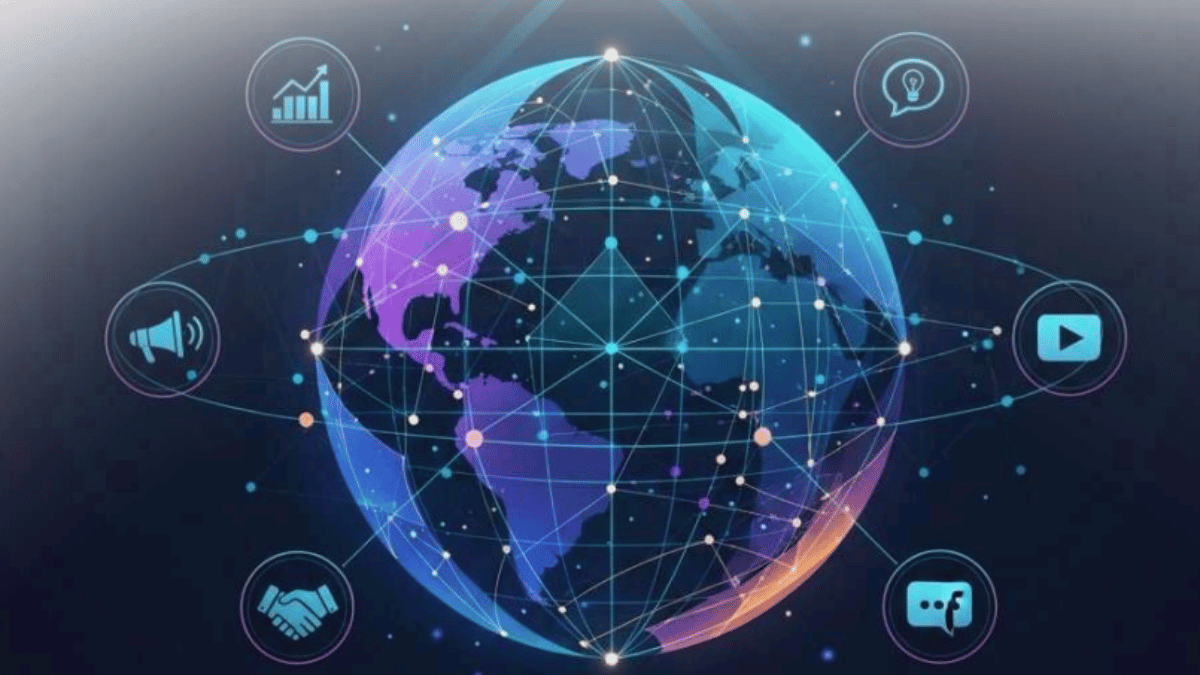
India’s growing prominence in the global exhibition landscape is reflected in the increasing participation of international exhibitors and buyers. H2 2026 is expected to witness stronger global engagement, particularly from regions such as the Middle East, Southeast Asia, Europe, and Africa. This influx is transforming Indian exhibitions into global trade gateways.
For Indian businesses, this presents a unique opportunity to showcase products on an international stage without leaving the country. For global participants, India offers access to a vast and diverse market. This mutual interest is strengthening cross-border trade relationships and positioning India as a key player in the global exhibition ecosystem.
How Businesses Should Plan Their Exhibition Calendar
In this evolving environment, selecting the right exhibitions is as important as participating in them. Businesses must adopt a strategic approach that aligns exhibition participation with their broader objectives. This involves identifying events that attract the right audience, evaluating the potential return on investment, and planning engagement strategies well in advance.
A well-planned exhibition calendar should balance sector relevance, geographic reach, and timing. Companies must also consider how each exhibition fits into their sales cycle—whether it is for lead generation, product launch, or deal closure. By treating the exhibition calendar as a strategic tool, businesses can maximize both short-term gains and long-term growth.
Editorial Insight
The H2 2026 exhibition calendar is more than a schedule—it is a reflection of where industries are heading and where opportunities will emerge. Businesses that approach this calendar strategically will not only participate in events but will position themselves at the center of industry growth. In a competitive landscape, timing and selection can make a significant difference. The right exhibition, at the right time, with the right preparation, can unlock opportunities that extend far beyond the event itself.
Closing Perspective
As the second half of 2026 unfolds, exhibitions across India will serve as powerful platforms for connection, collaboration, and commerce. For businesses ready to engage with intent and clarity, this calendar represents a roadmap to growth.
The question is no longer which exhibitions to attend—but which opportunities to capture.