The Global Shift: Exhibitions as Trade Gateways
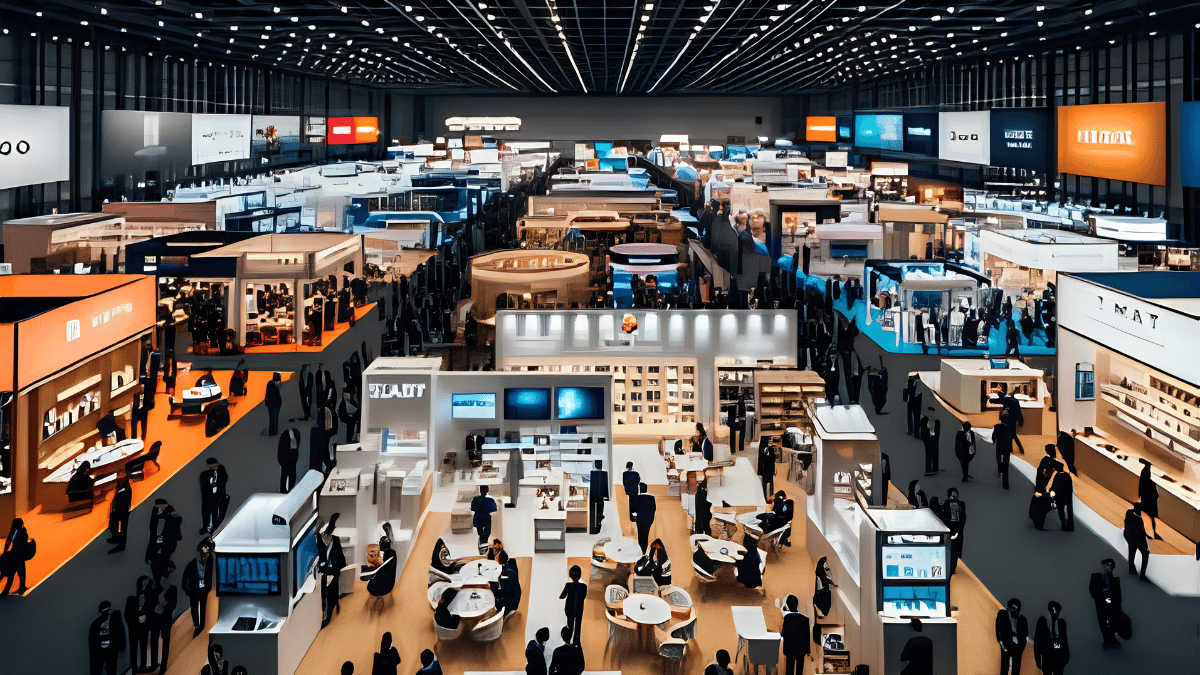
Across continents, exhibitions are emerging as primary gateways for international trade. Unlike traditional export channels that require prolonged efforts in market entry, exhibitions provide immediate access to buyers, distributors, and decision-makers from multiple countries. This efficiency is driving businesses to participate in global trade shows as part of their expansion strategy.
In 2026, international exhibitions are increasingly designed to facilitate transactions rather than just showcase products. Dedicated buyer-seller meetings, country pavilions, and sector-specific zones are enabling focused interactions that lead to faster deal closures. For businesses aiming to scale globally, these platforms offer a direct and effective route to market entry
Key Global Exhibition Hubs
Certain regions continue to dominate the global exhibition landscape due to their infrastructure, connectivity, and industry strength. Europe remains a mature and highly organized market, hosting some of the world’s most influential trade fairs across sectors such as technology, manufacturing, and design. Cities like Frankfurt, Hannover, and Paris are known for their large-scale exhibitions that attract participants from across the globe.
The Middle East, particularly Dubai, has emerged as a strategic hub connecting Asia, Africa, and Europe.Exhibitions in this region are characterized by strong international participation and a focus on sectors such as construction, logistics, food, and technology. The region’s business-friendly environment and accessibility make it a preferred destination for companies looking to expand into emerging markets.
Asia, led by China and Southeast Asia, continues to be a powerhouse in the exhibition industry. Events like large-scale trade fairs in China attract massive participation, offering unmatched opportunities for sourcing, manufacturing partnerships, and global trade. At the same time, countries like Singapore, Thailand, and Vietnam are gaining prominence as niche exhibition destinations, particularly in technology and innovation-driven sectors.
Top Global Exhibitions (June– December 2026 Outlook)
The second half of 2026 features a diverse range of international exhibitions across sectors. Technology-focused events such as global AI and cybersecurity summits are expected to attract innovators and enterprises from around the world. Manufacturing and industrial exhibitions in Europe will continue to showcase advanced technologies and automation solutions, drawing participation from global industry leaders.
Food and agriculture exhibitions across Europe and the Middle East are set to provide strong opportunities for exporters, particularly from India, where demand for organic and specialty products is rising. Similarly, exhibitions focused on construction, infrastructure, and sustainability will play a key role in shaping global development trends. These events are not only platforms for business but also for understanding where industries are heading on a global scale.
India’s Position in the Global Exhibition Ecosystem
India’s role in the global exhibition industry is undergoing a significant transformation. While the country has traditionally been a participant in international trade fairs, it is now emerging as a host for global events. With the development of world-class venues and improved infrastructure, India is attracting international exhibitors and buyers at an increasing rate.
This shift is creating a dual opportunity for Indian businesses. On one hand, they can participate in global exhibitions to expand their reach;on the other, they can leverage international participation within India to access global markets without leaving the country. This positioning strengthens India’s role as both a contributor to and a beneficiary of the global exhibition ecosystem.
Strategic Opportunities for Indian Businesses
For Indian companies, the global exhibition landscape offers immense potential, but success requires a well-defined strategy. Participation in international exhibitions should be aligned with clear objectives, whether it is entering a new market, finding distributors, or building brand recognition. Understanding the target audience, cultural nuances, and competitive landscape is essential for effective engagement.
Additionally, businesses must invest in strong presentation and communication strategies to stand out in a global environment. This includes professional booth design, clear messaging, and the ability to engage with international buyers confidently. Companies that approach global exhibitions with preparation and intent are more likely to achieve meaningful outcomes.
Food and agriculture exhibitions across Europe and the Middle East are set to provide strong opportunities for exporters, particularly from India, where demand for organic and specialty products is rising. Similarly, exhibitions focused on construction, infrastructure, and sustainability will play a key role in shaping global development trends. These events are not only platforms for business but also for understanding where industries are heading on a global scale.
India’s Position in the Global Exhibition Ecosystem
India’s role in the global exhibition industry is undergoing a significant transformation. While the country has traditionally been a participant in international trade fairs, it is now emerging as a host for global events. With the development of world-class venues and improved infrastructure, India is attracting international exhibitors and buyers at an increasing rate.
This shift is creating a dual opportunity for Indian businesses. On one hand, they can participate in global exhibitions to expand their reach;on the other, they can leverage international participation within India to access global markets without leaving the country. This positioning strengthens India’s role as both a contributor to and a beneficiary of the global exhibition ecosystem.
Strategic Opportunities for Indian Businesses
For Indian companies, the global exhibition landscape offers immense potential, but success requires a well-defined strategy. Participation in international exhibitions should be aligned with clear objectives, whether it is entering a new market, finding distributors, or building brand recognition. Understanding the target audience, cultural nuances, and competitive landscape is essential for effective engagement.
Additionally, businesses must invest in strong presentation and communication strategies to stand out in a global environment. This includes professional booth design, clear messaging, and the ability to engage with international buyers confidently. Companies that approach global exhibitions with preparation and intent are more likely to achieve meaningful outcomes.
The Role of Government & Trade Bodies
Government initiatives and trade bodies are playing a crucial role in supporting international exhibition participation. Export promotion councils, industry associations, and government schemes are facilitating Indian companies’ presence at global trade fairs through subsidies, shared pavilions, and networking opportunities.
These initiatives are particularly beneficial for MSMEs, enabling them to access international platforms that might otherwise be beyond their reach. By leveraging these support systems, businesses can reduce costs and increase their chances of success in global markets.
Monetization & Global Positioning for Exhibition Globe
The “Global Exhibition Radar” section presents a strong opportunity for Exhibition Globe to establish itself as an international business connector. By curating global event insights and facilitating connections between Indian businesses and international organizers, the platform can expand its reach beyond domestic markets.
This section can attract global advertisers, including international exhibition organizers, trade bodies, and logistics companies. Sponsored content, featured international event listings, and partnership opportunities can create additional revenue streams. By positioning itself as a bridge between India and the global exhibition ecosystem, Exhibition Globe can enhance both its influence and commercial potential.
Editorial Insight
The global exhibition landscape in 2026 is defined by connectivity, collaboration, and competition. Businesses that limit themselves to domestic markets risk missing out on significant opportunities. At the same time, those who strategically engage with global platforms can accelerate growth and establish a strong international presence.
Understanding where the world is doing business —and how to be part of it—is no longer optional. It is a critical component of long-term success.
Closing Perspective
Exhibitions are becoming the meeting point of global commerce, where ideas, products, and partnerships converge across borders. For businesses ready to think beyond boundaries, the opportunities are vast and transformative.
In this interconnected world, the question is not whether to go global – but how effectively you can position yourself on the global stage.