The fastest way to find event coordination companies worth hiring is to build a longlist from two or three sources, then check every name against a referral, a credential, or a portfolio. A business directory such as EG Business Listing suits corporate, B2B, and exhibition-led events. Google Maps and planner marketplaces suit weddings and private celebrations. Industry associations and venue referrals suit large budgets, where a mistake is expensive.
The problem is that every company’s website sounds the same. Each one is "custom," "seamless," and "full-service." Ranked lists mix paid placement with real quality, and review pages rarely tell you whether a team can handle 50 guests or 5,000. You end up with twenty open tabs and no way to tell the firms apart.
This guide gives you seven places to look. For each one, you get how it works, who it suits, and what to check before you trust it. A final section shows how to compare your shortlist side by side. Exhibition Globe has covered the events and exhibition industry since 2017 and runs a business directory for it, so that directory is the first pick. We also say plainly where it is and is not the right tool.
What event coordination companies do and how they bill
An event coordination company runs the logistics of an event so your team does not have to. You hire one to manage vendors, timelines, attendees, and the budget from signed contract to final invoice.
What a coordination company handles
The industry shorthand known as the five C’s describes the arc of the work: concept, coordination, control, culmination, and closeout. Concept sets the goal. Coordination covers vendors and logistics. Control means holding the budget and schedule. Culmination is the event itself. Closeout is reconciliation and reporting.
In practice, a full-scope company typically offers:
- Site selection and venue contract support
- Vendor sourcing and management
- Registration and attendee communication
- Travel, housing, and transportation
- Speaker, sponsor, and exhibitor management
- Signage, branding, and on-site staffing
- Post-event reporting and financial reconciliation
Coordinator, planner, or full-service agency
The titles overlap, so read the service list instead of the label. A planner shapes strategy, concept, and design. A coordinator executes the plan and runs the day. A full-service agency does both and usually has in-house production, registration, or design teams.
Many companies sell tiers: day-of, month-of, partial, and full-service. There is no single best company for event management. The best one is the one whose tier matches how much your own team can handle and whose past events match yours in type and size.
Choose the company by the work you cannot do in-house, not by the longest service list.
How pricing and lead time work
Companies bill by project fee, hourly rate, retainer, or a percentage of the event budget. A project fee is common because it is set by scope, scale, and the time needed. Some firms bill hourly for smaller jobs.
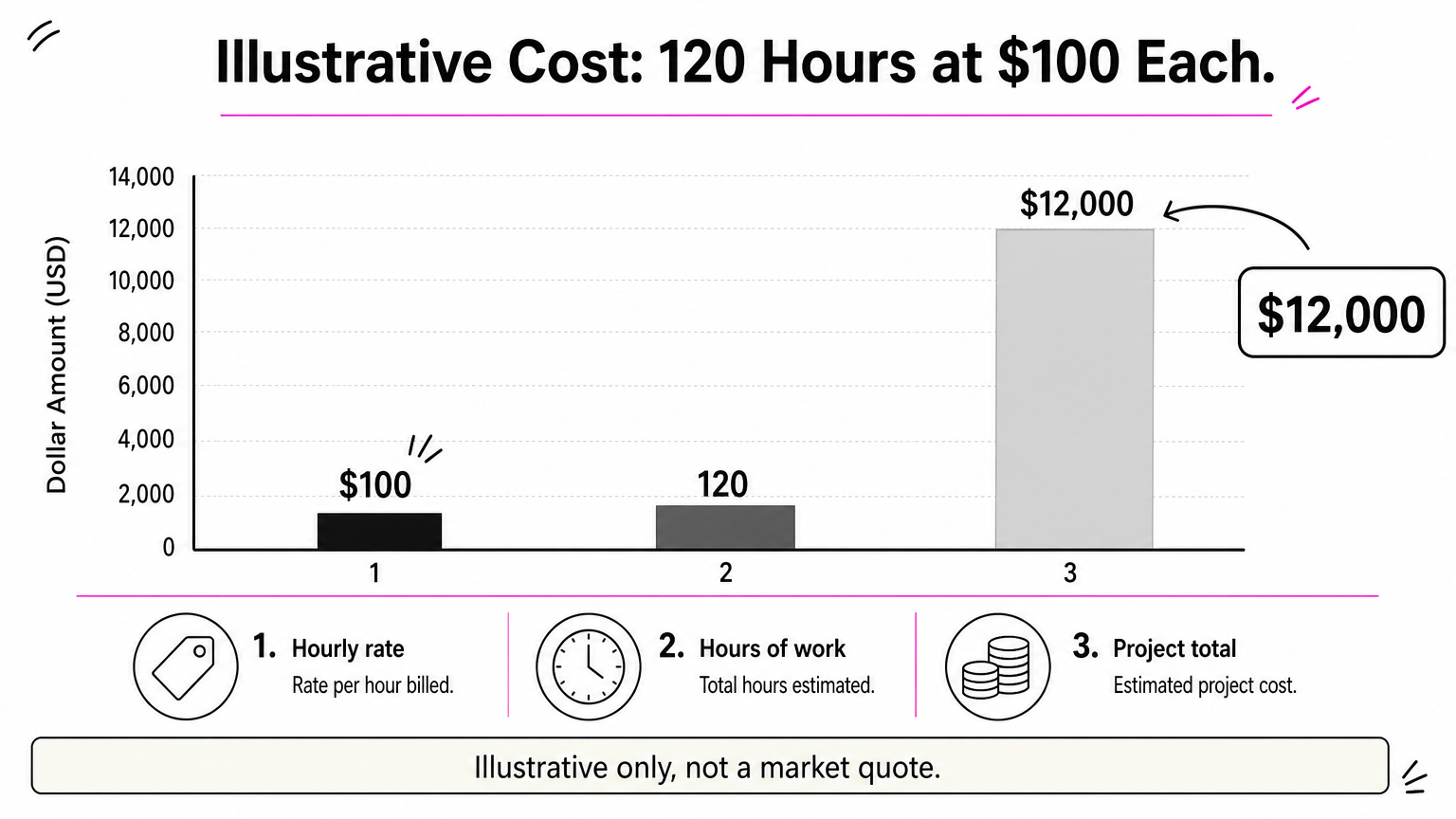
Here is an illustrative calculation, not a market quote. Assume a rate of $100 per hour and 120 hours of work for a one-day conference. That comes to $12,000. A project fee for the same scope should land in the same neighborhood, and a large gap is your cue to ask why.
On timing, many agencies advise hiring at the start of planning, with six months or more for large corporate events. Smaller events still need time to secure venues and vendors without rush fees.
1. EG Business Listing
How it works
EG Business Listing is a directory page on Exhibition Globe where visitors can find local businesses, service providers, jobs, services, and venues. Companies add their own listings. You browse the service provider and event industry service pages, then reach out to the companies that match your event.
The directory sits inside a publication that covers trade shows and conferences. That gives you a second check. You can see whether a company appears in the site’s event guides and news before you contact it.
A directory inside an events publication lets you check a company against real show coverage.
Who it suits and what to check
It suits corporate, trade show, conference, and exhibition organizers, and exhibitors looking for suppliers such as stand builders or logistics firms. It is a weaker fit for weddings and private parties. Coverage is strongest for India and Asia, so for a US-based event, treat it as a way to find partners for international shows.
Check these before you reach out:
- Listings are submitted by the companies, so treat them as introductions, not endorsements.
- Ask for references from events of your type and size.
- Confirm the company works in the city where your event takes place.
2. Google Search and Google Maps
How it works

Google is the quickest way to find event coordination companies near you. Search "event coordinator" plus your city, then switch to Maps. Each business shows a pin, rating, review count, photos, and a website link.
The map view is the useful part. It shows who is actually based near your venue, not who bought the best ad. Open the business profiles of eight to ten companies and save the ones with recent photos of events like yours.
Who it suits and what to check
This works for anyone who needs a nearby team: weddings, private parties, and small corporate gatherings. It is less reliable for complex multi-day corporate programs, where a high rating says little about capability.
A star rating tells you who is popular. The text of the reviews tells you who is right for you.
Check the following:
- Read the three-star reviews first. They are usually the most specific.
- Look at review dates. A strong rating from three years ago says little about the current team.
- See whether the owner replies to complaints, and how.
- Confirm that reviewers describe events similar to yours.
3. Planner marketplaces and vendor directories
How it works
Marketplaces list planners by city. Each profile typically shows portfolio albums, service types, and sometimes a stated minimum budget and average response time. You can filter by service, such as day-of, partial, or full-service planning.
This is also where small event coordination companies show up. Boutique firms often take a limited number of clients, which means more senior attention but less capacity.
Who it suits and what to check
Marketplaces suit weddings, social events, galas, and fundraisers. Many listings are wedding-heavy, so corporate buyers should confirm the portfolio includes business events.
The stated minimum lets you screen before you write. If a planner lists a $15,000 minimum and your budget is $8,000, move on.
Use the listed minimum to screen out mismatches before you spend a day on outreach.
Check these points:
- A "featured" tag may reflect promotion. Ask how placement works.
- Ask whether the minimum covers the planning fee or total event spend.
- Look at response time. A slow reply to an inquiry predicts slow replies during planning.
4. Ranked top-company lists
How it works
Business directories publish annual lists such as "top event planners in your state." They are useful for building a longlist fast. Each site ranks differently: by reviews, profile completeness, or advertising.
Global "top 10" lists mostly sort by brand size and recognition. That does not help you hire a team for a 150-person event in your own city. Regional lists are more useful, and a name that appears on two or more of them deserves a closer look.
Who it suits and what to check
These lists suit first-time buyers who do not yet know any names. Treat them as a starting point, not a verdict.
A list tells you who to research next, not who to hire.
Run each list through these checks:
- Does the site explain its ranking method?
- What is the publication year? Companies close, merge, or change focus.
- Is the placement paid or sponsored?
- Does the company serve your city, or only the city where it is registered?
- Do its Google reviews support the ranking?
5. Industry associations and certifications
How it works
The Events Industry Council administers the Certified Meeting Professional (CMP) credential, and many coordinators list the letters after their names. Meeting Professionals International runs local chapters where event professionals network. Ask a chapter for referrals, or ask each company whether its staff hold the credential or belong to an industry body.
A credential shows that someone has studied and been tested on event practice. It does not show that they fit your event.
Who it suits and what to check
This route suits large corporate meetings, conferences, association events, and incentive programs, where process discipline matters as much as creativity.
A credential proves training, not fit, so use it to break ties rather than to choose.
Keep these limits in mind:
- Confirm any credential with the body that issues it.
- Ask which team members would work on your event and whether they hold it.
- Ask for experience at your attendee count.
- Remember that plenty of excellent coordinators have no credential at all.
6. Venue and vendor referrals
How it works
Venue event teams watch coordinators work every weekend. Ask the venue manager which companies run clean events and which ones create problems. Then ask the caterer, the AV company, the florist, and the stand builder. These vendors work with coordinators repeatedly and know who communicates well.
Ask each source for two or three names and one reason for each. A reason such as "they send the run of show a week early" is worth more than a general "they’re great."
Who it suits and what to check
This route fits buyers who already have a venue or have a short timeline. It is quick, and the recommendations come from people who see the work up close.
Ask a venue manager who they would hire for their own event.
Verify the source before you trust the name:
- Find out whether the venue’s list is preferred or mandatory.
- Ask whether the venue or vendor earns a referral fee.
- Ask the company what went wrong at its last event and how it fixed it.
7. Industry events and trade shows
How it works

Event companies staff, exhibit at, and attend trade shows and conferences. Walking a show lets you watch registration queues, signage, stage changes, and how staff handle problems in real time. Talk to the organizer’s operations team and ask who they hire for logistics.
If you do not know which shows are worth visiting, event guides list dates, venues, and exhibitors, including the guides on Exhibition Globe.
Who it suits and what to check
This suits buyers planning exhibitions, trade shows, and B2B conferences who can spare a day to scout. It is slow for a one-off private party.
A day on a show floor tells you more about a company than a week on its website.
Keep these cautions in mind:
- You see the organizer’s result, not necessarily the coordinator’s work. Ask who did what.
- Note how staff respond when something breaks.
- Collect contact details and follow up within a week.
How to compare your shortlist side by side
Score every company on the same criteria
Pick three to five companies and score them on identical points. A table keeps the comparison fair.
| Criterion | What to look for | Red flag |
|---|---|---|
| Event match | Portfolio includes your event type | Only one type shown |
| Size range | Handled your attendee count before | No example near your size |
| Scope | Written list of what is included | "Everything" with no detail |
| Pricing model | Project fee, hourly, or retainer explained | Vague or changing quotes |
| Availability | Team free during your dates | No named lead planner |
| References | Two contacts from similar events | Only testimonials on the site |
| Insurance | Proof of liability coverage on request | Hesitation to share it |
Questions for the first call
Use the same questions with each company so the answers line up:
- Who will run my event day to day, and what else are they handling?
- What is the largest and smallest event you have run?
- What is included in the fee, and what costs extra?
- How do you handle vendor contracts and deposits?
- What happened at your last difficult event, and how did you respond?
- What does post-event reporting include?
Small firm or large agency
A small firm gives you senior attention and flexibility, but capacity is limited and one illness can strain the schedule. A large agency brings buying power, backup staff, and global reach, but you may deal with junior coordinators.
Neither is better by default. Match the choice to your event’s risk. A 5,000-person sales conference needs depth. A 50-person executive retreat usually does not.
Start with a longlist of three sources
The right event coordination company is the one that matches your event type, size, and budget, and can prove it with references. Use one directory, one local search, and one referral source to build your longlist. Cut it to three companies, score them on the same table, and ask every one the same questions.
If your event is corporate or exhibition-led, browse the Exhibition Globe business directory to find service providers and venues, then verify each name with the checks above.