The way to approach event planning for companies is to work backward from one measurable result. Set a goal, build a budget with a 15% to 20% contingency, book the date and venue, lock in food and logistics, then measure the outcome against the goal. Do the four steps in that order and almost nothing gets missed.
Most planners work in the opposite order while event planning for companies. They fall for a venue, the guest list grows, and catering gets sorted a week before the event, when good caterers are already booked. Afterward, nobody can say whether the event worked, because nobody wrote down what "worked" meant.
This guide walks you through the four steps with a budget split, a timeline, a venue checklist, a run-of-show template and an ROI formula you can copy into your own documents. Exhibition Globe has covered trade shows, conferences and the wider events industry since 2017. The same logic applies whether you host 40 clients at a dinner or build a presence at a trade fair.
What to settle before you start planning
Before step one, you need three things: one owner, one approver and a one-line brief. Without them, every later decision stalls in debate. With them, planning moves fast because each choice can be checked against a single sentence.
What counts as a company event
A corporate event is any gathering a business organizes for a business purpose. That covers product launches, client dinners, conferences, training days, team offsites and trade show participation. Each type has a different goal, so a plan built for a gala does not transfer to a training day.
Write the type down first. It decides your format, your guest count and how much of the budget goes to food versus staging.
The event type decides the format, so name it before you touch the budget.
The three decisions to make first
Settle these before you open a venue brochure:
- Owner: one person accountable for the whole event, not a committee.
- Approver: the person who signs off on budget and date.
- Brief: one sentence, such as "Host 80 existing clients to announce our new product line."
How far ahead to start
For events of 100 or more guests, start 9 to 12 months out. Smaller gatherings can work with 3 to 6 months, but check caterer and venue availability first, because those fill up before anything else. Use this timeline as a template and compress it for smaller events.
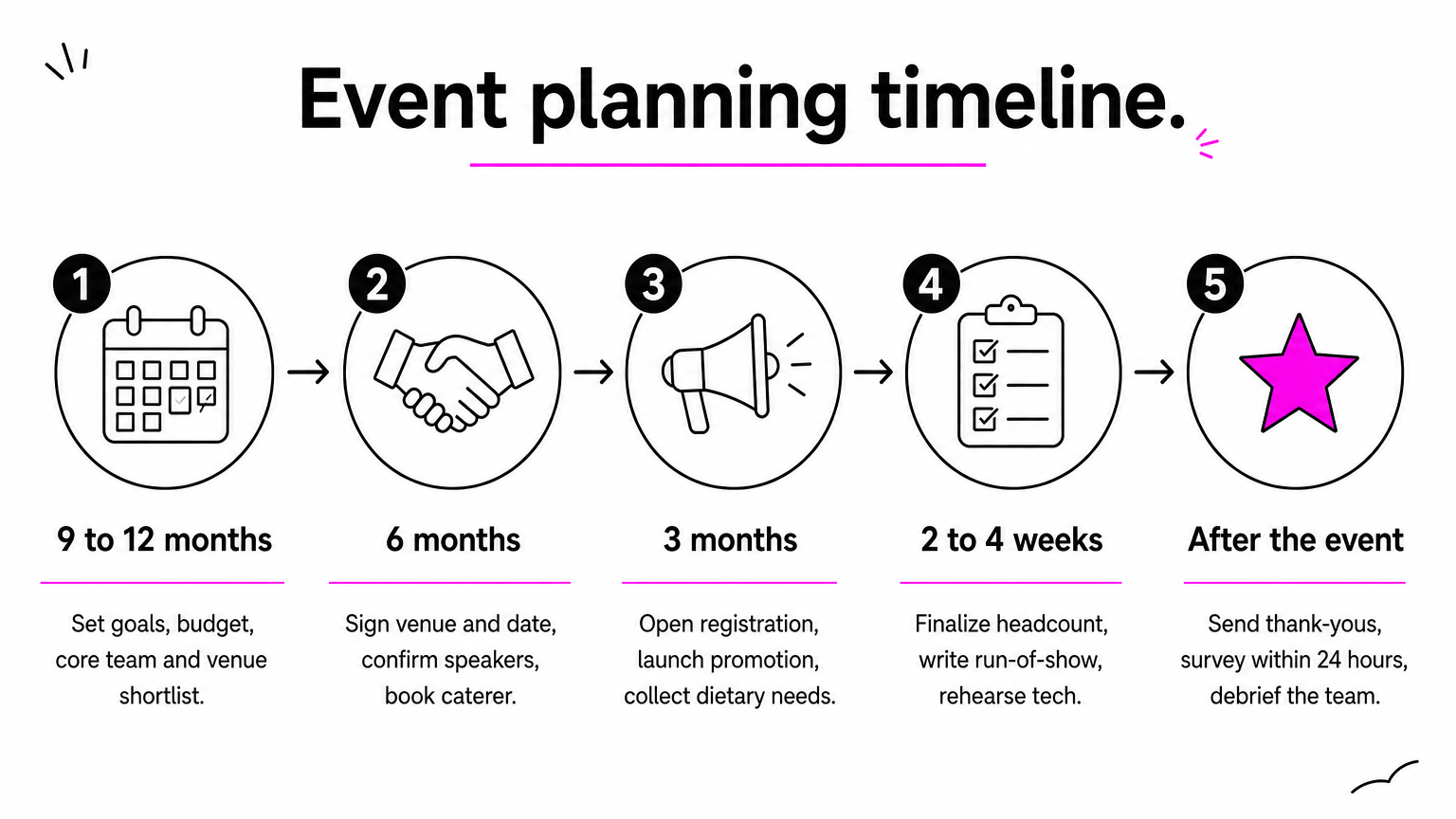
| Time before the event | What should be done |
|---|---|
| 9 to 12 months (100+ guests) | Goals, budget, core team, venue shortlist |
| 6 months | Venue and date signed, speakers confirmed, caterer booked |
| 3 months | Registration open, promotion live, dietary needs collected |
| 2 to 4 weeks | Final headcount, run-of-show written, tech rehearsal done |
| After the event | Thank-yous, survey within 24 hours, team debrief |
Step 1. Set goals and build the budget
Start with one to three goals that have numbers and deadlines while event planning for companies, then divide the budget by category with a contingency held back. Goals come first because they decide everything that gets paid for later.
Write goals you can measure
Use the SMART test: specific, measurable, achievable, relevant and time-bound. A weak goal is "build relationships." A strong one is "generate 40 qualified leads at a client evening." Other examples that pass the test:
- Reach a 90% satisfied or very satisfied score on the post-event survey.
- Raise team engagement scores by 10% within 60 days of an offsite.
- Sign 5 new exhibitors for next year’s show by the end of the event month.
If you cannot measure a goal after the event, it is a wish, not a goal.
Split the budget with a worked example
Here is how a $50,000 budget for a 150-person event divides. The percentages sit inside the typical ranges for corporate events, and the contingency stays at 15%.
| Category | Share | Amount |
|---|---|---|
| Venue | 20% | $10,000 |
| Food and beverage | 30% | $15,000 |
| AV and technology | 10% | $5,000 |
| Marketing and promotion | 5% | $2,500 |
| Speakers and entertainment | 10% | $5,000 |
| Staffing and logistics | 10% | $5,000 |
| Contingency | 15% | $7,500 |
| Total | 100% | $50,000 |
Food and beverage at $15,000 works out to $100 per guest. Vendors change prices and guest counts shift, so never spend the contingency line on purpose. It exists for the AV failure at 8 a.m. on event day.
Step 2. Pick the date, venue and team
Choose the date and venue together, because each limits the other while event planning for companies. Check your speakers, key guests and caterer before you sign anything, then assign an owner to every workstream.
Choose the date and the venue
First, check conflicts: public and religious holidays, school breaks and major industry events your guests might attend. Keep two or three backup dates, since flexibility often gets you better rates. Then visit venues in person. Photos hide a lot.
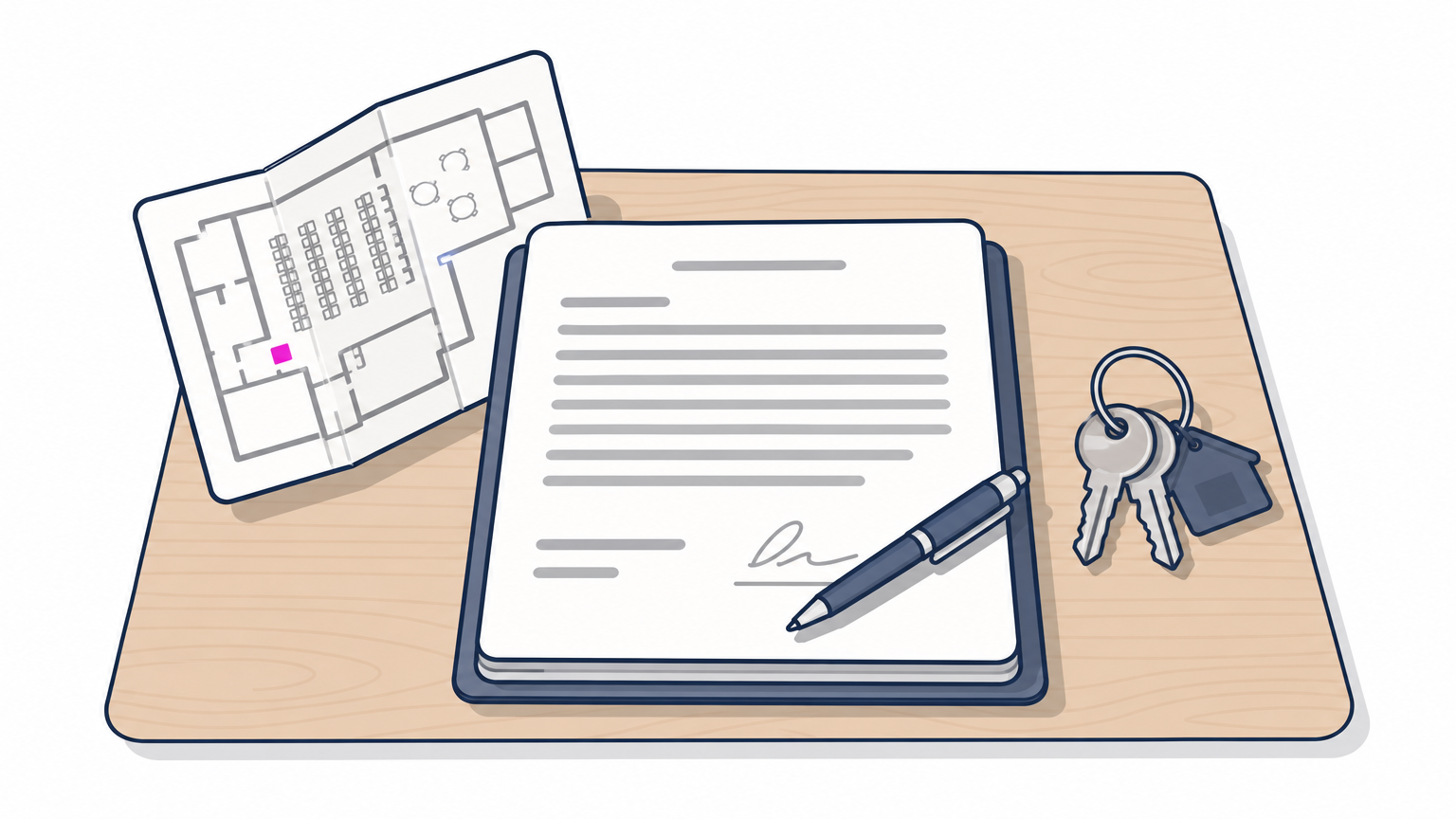
Ask every venue these questions and compare the answers side by side:
- What is the capacity for seated versus standing layouts?
- Is in-house catering required, or can you bring your own caterer?
- What does the rental fee include: tables, linens, AV, staff?
- How do vendor load-in and load-out work?
- Is the space fully accessible for guests with disabilities?
- What are the overtime fees and the cancellation terms?
Read the contract line by line before signing. Exclusivity clauses can force you into an in-house caterer, and overtime fees can erase your contingency.
A venue is not booked until you have read the exclusivity, overtime and cancellation clauses.
Assign owners and find vendors
Even a small event needs named owners for logistics, vendors, marketing, AV and registration. Give one person the caterer relationship, including dietary data and setup times. For very large events, consider bringing in an outside planner so your team stays on strategy.
Need stand builders, AV crews or logistics providers for an exhibition or conference? The service provider pages and business directory on Exhibition Globe list companies from the events industry, so you can start your shortlist there.
Step 3. Plan food, program and logistics
Match the catering format to the event type, then build the program and a minute-by-minute run-of-show document. Food is what guests remember, so book it early, and get logistics on paper before event week.
Book catering early
Good caterers fill their calendars first, especially in spring and fall. Plan for 10% to 15% of guests to have a dietary requirement such as vegan, gluten-free, nut allergy, kosher or halal. Collect needs at registration, send the full list to your caterer at least two weeks out, and get accommodations confirmed in writing. Ask your caterer when the final headcount is due, because many want it a few days ahead.
Pick the format by event type:
| Event type | Best catering format |
|---|---|
| Galas, award dinners, client dinners | Plated dinner |
| All-hands meetings, large conferences | Buffet |
| Networking receptions, product launches | Food stations |
| Cocktail hours | Passed appetizers or grazing tables |
| Training days, breakout sessions | Boxed working lunches |
Avoid heavy lunches at work-focused events. They send people to sleep before the afternoon session.
Pick the catering format for what guests need to do, not what looks impressive.
Write the run-of-show
A run-of-show is a minute-by-minute breakdown of the day with a named owner on every line. Share it with every vendor and team member before the event. Copy this template and adapt it:
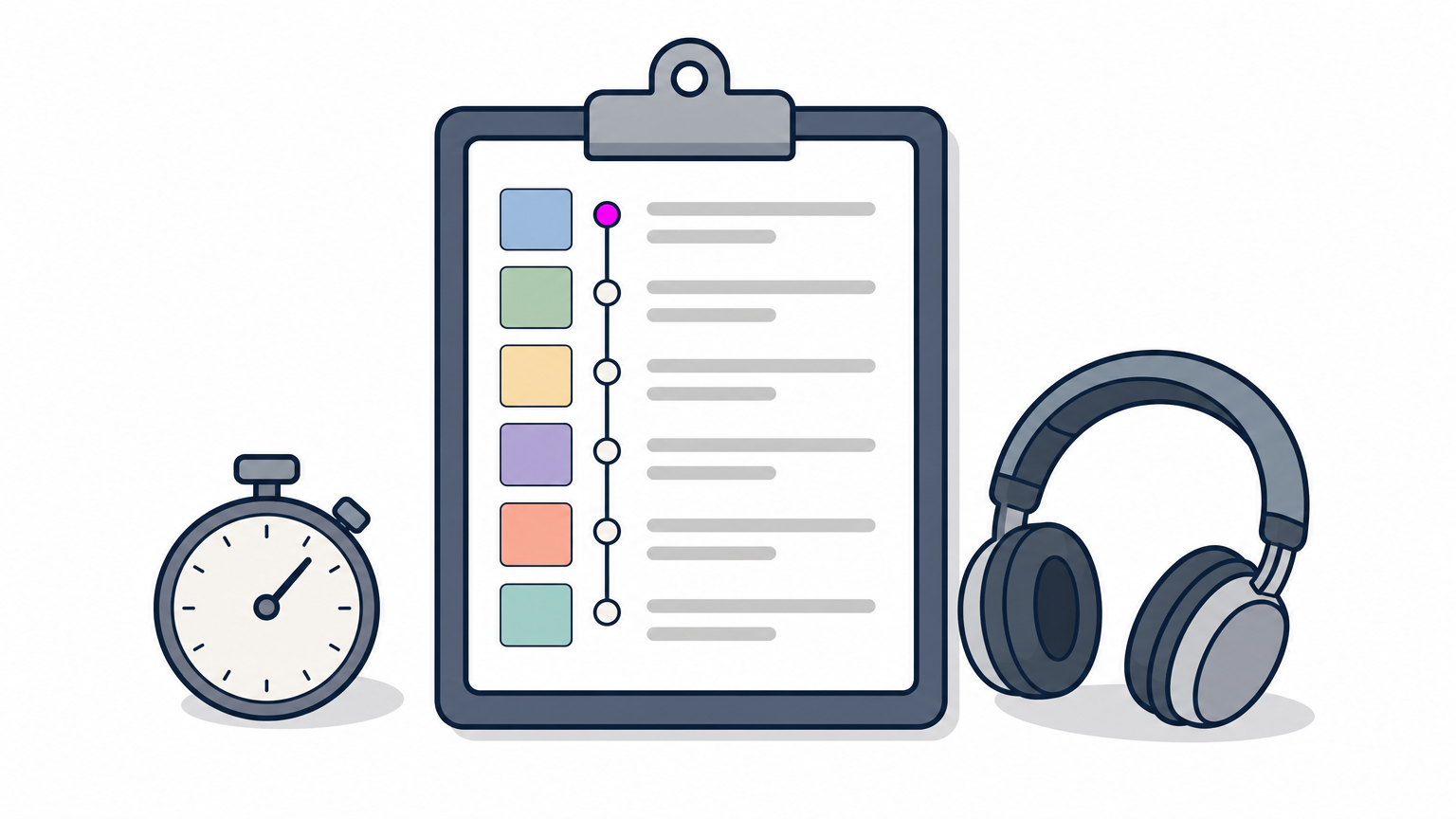
RUN-OF-SHOW: [Event name] | [Date] | [Venue]

Time   | Activity                         | Owner      | Vendor contact
06:00  | Venue access, AV load-in         | [Name]     | [Phone]
07:30  | Catering setup complete          | [Name]     | [Phone]
08:30  | Registration opens               | [Name]     | n/a
09:00  | Welcome and opening remarks      | [Name]     | [Phone]
10:30  | Networking break                 | [Name]     | [Phone]
12:00  | Lunch                            | [Name]     | [Phone]
16:00  | Close, feedback survey link sent | [Name]     | n/a
17:00  | Teardown and vendor checkout     | [Name]     | [Phone]
Leave breathing room in the schedule. Over-scheduling exhausts guests, and for many of them networking is the whole point of attending.
Step 4. Run the event and prove the ROI
On the day, run the plan from your run-of-show and keep a backup for the three things that fail most: AV, food quantity and speaker timing. Afterward, compare your results to the goals from step one.
Handle event day and the unexpected
Hold a staff briefing the day before, run a full AV check and test any live stream. Keep a short list in your pocket:
- A backup AV vendor’s phone number.
- Your caterer’s contact, in case attendance spikes.
- One reachable contact per vendor.
- Event insurance if stakes are high or the venue requires it. A standard policy often runs a few hundred dollars, so get a quote.
When something goes sideways, stay calm and work the list while doing the best event planning for companies. A speaker running long or an empty food station is manageable if you planned for it.
Measure ROI against your goals
Send the survey within 24 hours, while the experience is fresh. Then calculate ROI with this formula:
ROI (%) = (attributed benefit − total event cost) ÷ total event cost × 100
Here is a worked example using the $50,000 event. It generated 40 qualified leads. Sales closed 15% of them, which is 6 deals. Each deal brought $12,000 of first-year gross profit, so the attributed benefit is $72,000. ROI is ($72,000 − $50,000) ÷ $50,000 × 100, which is 44%.
Track these alongside it: satisfaction score, attendance versus registration (70% to 80% is typical for corporate events), leads created in your CRM and content reach. Share the numbers with leadership soon after, while they still have context.
Count profit, not revenue, and compare it to the goal you wrote before the event.
Plan backward from the result
Good event planning for companies comes down to a sequence. Write a measurable goal, split a budget with a contingency, secure the date and venue, book food early, document the day in a run-of-show, and measure the result against the goal. Skip the sequence and you will be guessing at every step.
Keep the templates from this guide, adjust the numbers to your event, and reuse them next time. Each event you plan the same way gets easier and cheaper to run. If you are looking for trade show news, event guides or service providers for your next event, visit Exhibition Globe to see what the industry is doing.