The UK events industry is facing growing operational challenges as budget constraints, labour shortages, and sustainability requirements continue to reshape the sector. Event organisers, production companies, agencies, and venue operators are increasingly seeking innovative solutions that can improve efficiency without compromising the quality of attendee experiences.
Industry Faces Mounting Pressure
As economic pressures persist, event budgets remain under scrutiny while the availability of skilled event crew continues to decline. At the same time, sustainability targets have become a key factor in procurement decisions across the industry.
Despite these challenges, audiences continue to expect engaging and high-quality event experiences, creating additional pressure on organisers to deliver successful events with limited resources. This shift is encouraging businesses to rethink traditional approaches to temporary event infrastructure and explore more efficient alternatives.
Operational Efficiency Becomes a Competitive Advantage
Historically, temporary event structures were selected primarily based on their appearance, capacity, and cost. However, operational efficiency is now emerging as an equally important consideration.
With labour costs rising and experienced installation teams becoming harder to source, production managers are prioritising infrastructure that can be installed and dismantled quickly. Faster build and breakdown times can reduce project expenses, minimise scheduling pressures, and improve overall profitability.
As a result, infrastructure that enables smaller teams to achieve more is becoming a valuable competitive advantage within the live events industry.
Modular Structures Address Labour Challenges
One of the most effective responses to labour shortages is simplifying installation processes. Traditional event structures often require large crews, extended build schedules, and complex logistics, which can increase operational costs.
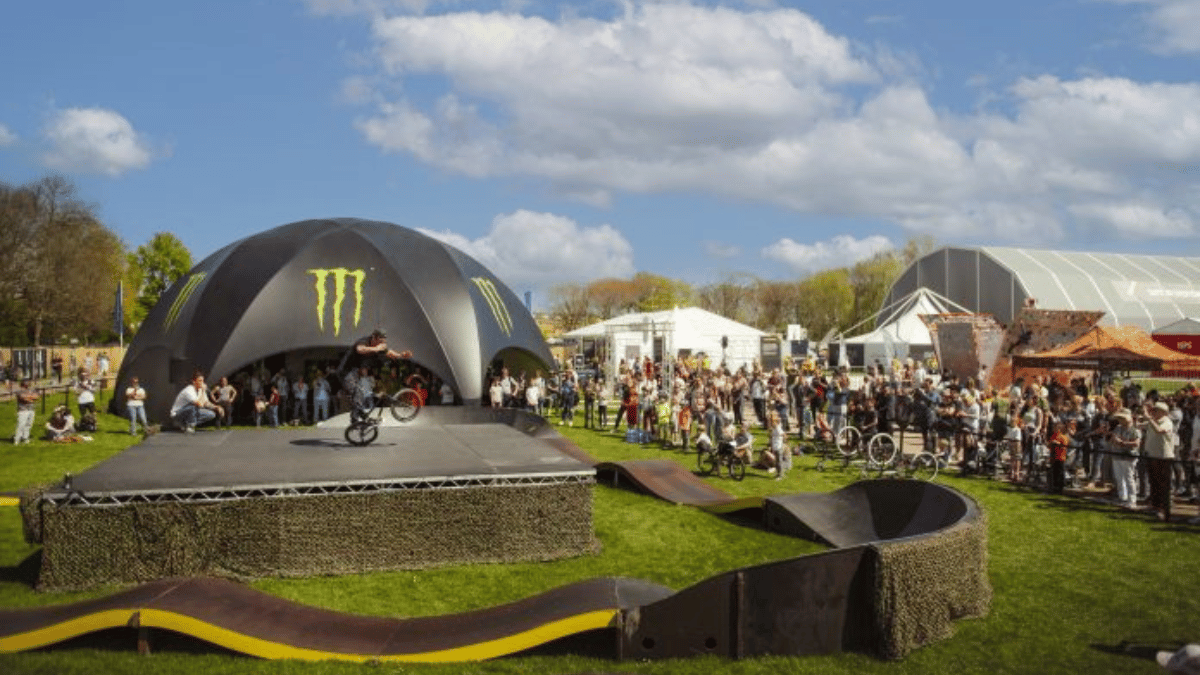
Modular event infrastructure is gaining popularity as a practical alternative. Companies such as Creative Structures have developed architectural tent systems designed to streamline deployment while maintaining a premium visual appearance.
Its modular solutions, including the Lounger, Crossover, and Hexadome structures, are engineered for rapid installation and efficient logistics. According to the company, a 68-square-metre Crossover L structure can be installed by just two people in less than 90 minutes.
For event agencies managing multiple activations, hospitality programmes, or touring events, reducing installation time can significantly lower labour requirements and create greater flexibility in project planning.
Transport Efficiency Gains Industry Attention
Transportation continues to be one of the largest operational and environmental cost factors for event organisers. Every vehicle movement contributes to fuel consumption, carbon emissions, and overall project expenses.
Many traditional temporary structures require multiple transport vehicles due to bulky components and inefficient packing systems. As transport costs rise, event professionals are increasingly evaluating infrastructure based on logistics efficiency.
Modular systems offer a more streamlined solution. Creative Structures has designed its products with lightweight aluminium frames and compact packaging, allowing many structures to fit within a single transport box. This approach reduces transport volume, simplifies storage and handling, and supports more efficient event logistics.
Supporting Sustainability and Cost Reduction
As sustainability becomes a central industry objective, infrastructure solutions that minimise transport requirements and reduce labour dependency are attracting greater interest. By improving deployment efficiency and lowering logistical demands, modular event structures can help organisers reduce operational costs while supporting environmental goals.
Industry experts believe that as the events sector continues to evolve, infrastructure efficiency will play an increasingly important role in helping businesses remain competitive, profitable, and sustainable in a challenging market environment.