For many years, the global exhibition landscape was largely associated with established markets such as Germany, the United States, the United Kingdom, France, and Italy. These countries developed worldclass exhibition infrastructure, hosted globally recognised trade fairs, and became benchmarks for innovation within the MICE industry. Their influence remains significant, but the centre of gravity is gradually expanding. a venue simply by its size or capacity. They expect seamless digital connectivity, efficient navigation, accessible facilities, flexible meeting
environments and technology that enhances convenience from arrival to departure. Every aspect of the venue contributes to how an event is experienced and remembered.
This transformation has encouraged convention centres around the world to invest heavily in smart infrastructure. High-speed digital connectivity, intelligent wayfinding systems, integrated event management platforms, automated visitor services, and real-time operational monitoring are becoming standard features rather than premium additions. These innovations simplify event management while enabling organisers to deliver smoother, safer, and more personalised experiences for exhibitors and visitors alike.
At the same time, sustainability has emerged as one of the defining priorities for the global exhibitions industry. Environmental responsibility is no longer viewed as a separate initiative or a marketing exercise. It has become a strategic business expectation shared by organisers, exhibitors, governments, investors, and attendees. Increasingly, companies are selecting events and venues that demonstrate a genuine commitment to sustainable practices, recognising that responsible business has become an important indicator of long-term credibility.
The exhibition industry has traditionally generated significant amounts of temporary infrastructure, printed materials, packaging waste, and energy consumption. As awareness of environmental challenges continues to grow, stakeholders across the industry are rethinking every aspect of event planning. From reusable exhibition structures and modular stand designs to digital catalogues, paperless registration, renewable energy, waste segregation, and environmentally responsible logistics, sustainability is becoming embedded within the operational fabric of modern exhibitions.
This shift is not simply about reducing environmental impact; it is also delivering tangible business benefits. Organisations that adopt sustainable exhibition practices often experience lower operational costs, improved resource efficiency, stronger brand reputation, and greater confidence from clients and investors. Visitors increasingly appreciate events that demonstrate responsible environmental stewardship, making sustainability an important contributor to the overall event experience.
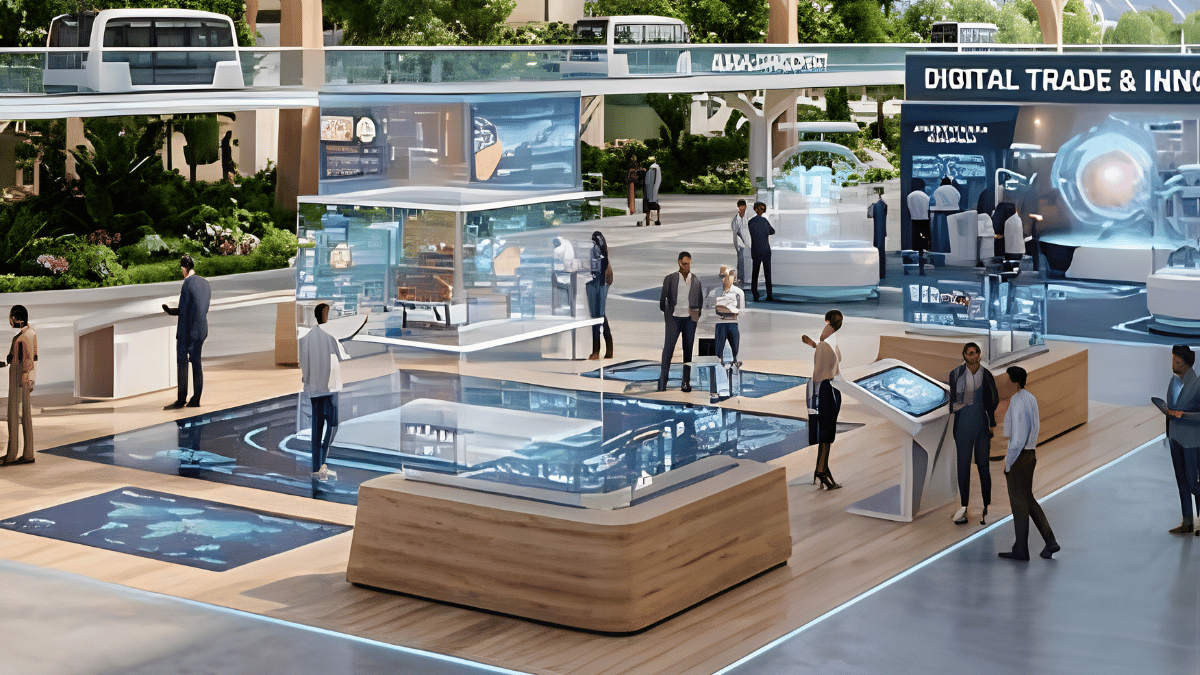
Convention centres themselves are becoming symbols of this transformation. Around the world, newly developed venues are incorporating energy-efficient architecture, intelligent climate control systems, water conservation technologies, natural lighting, green building materials, and renewable energy sources into their design. These investments not only reduce environmental impact but also create healthier, more comfortable environments that enhance the visitor experience.
Beyond physical infrastructure, cities are recognising the broader economic significance of exhibitions. Major business events generate demand across multiple sectors, including hospitality, aviation, transportation, retail, entertainment, and professional services. Hotels welcome international delegates, restaurants serve business travellers, local transport networks experience increased activity, and countless small businesses benefit from the economic momentum created by large-scale exhibitions. The impact of a successful exhibition often extends far beyond the exhibition halls themselves.
This growing economic importance has encouraged governments to view the MICE industry as a strategic driver of national development. Across Asia, the Middle East, Europe, and the Americas, public authorities are investing in convention centres, airport expansion, transport infrastructure, urban redevelopment, and destination marketing initiatives to strengthen their position within the highly competitive global business events market. These investments are designed not only to attract international exhibitions but also to stimulate trade, encourage foreign investment, create employment opportunities, and position cities as global centres of innovation.
The competition between destinations is becoming increasingly sophisticated. Success is no longer determined solely by the availability of exhibition space. Cities are competing on accessibility, digital infrastructure, hospitality standards, sustainability credentials, cultural experiences, safety, and their ability to deliver seamless end-to-end visitor journeys. Delegates today expect business travel to be efficient, comfortable, and enriching, combining productive professional engagements with memorable local experiences.
Technology is playing an equally important role in supporting this transformation. Digital platforms now enable organisers to coordinate logistics, monitor visitor movement, optimise resource allocation, and communicate instantly with participants throughout an event. Smart venues increasingly use data analytics to improve crowd management, reduce waiting times, optimise energy consumption, and enhance operational resilience. Behind every successful exhibition lies a sophisticated technological ecosystem working quietly to deliver a seamless experience.
The growing emphasis on resilience has also reshaped the industry’s approach to infrastructure planning. Recent global disruptions demonstrated the importance of adaptability, encouraging organisers and venues to invest in flexible event formats, robust digital capabilities, enhanced health and safety measures, and contingency planning. Modern exhibition infrastructure is therefore being designed not only for efficiency but also for resilience, ensuring that events can continue operating effectively in an increasingly dynamic global environment.
As exhibitions continue to evolve, the relationship between organisers, venues, governments, and destination partners will become even more collaborative. Success will depend on shared investments, common sustainability goals, integrated technology, and a collective commitment to delivering exceptional experiences for every participant. The exhibition of the future will not be defined by a single organiser or venue, but by an entire ecosystem working together to create lasting value.
Ultimately, the Experience Economy  reminds us that every journey begins long before visitors enter an exhibition hall and continues well after they return home. From the airport that welcomes an international delegate to the convention centre that hosts innovation, from the hotel that supports business networking to the city’s cultural experiences that leave lasting memories, every element contributes to the overall perception of an event.
The future belongs to destinations that understand this broader vision. They will not simply host exhibitions—they will create environments where business, technology, sustainability, and human connection come together to drive innovation, economic growth, and international collaboration.